
5 Bible Prayers to Pray Now, with James 5 and Divergent Church Care

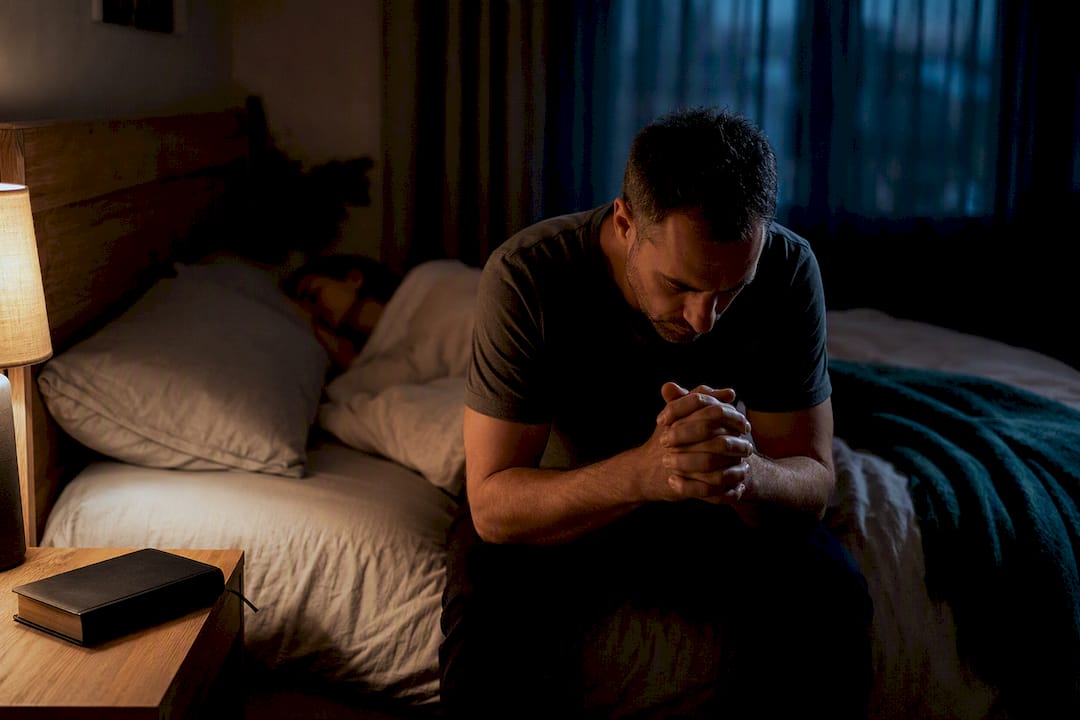
Here is a prayer you can pray this moment: “Lord, heal me, and I shall be healed; save me, and I shall be saved, for you are my praise” (echoing Jeremiah 17:14). Add this from Psalm 103: “Bless the Lord, O my soul… who heals all your diseases.” These are Bible-based prayers, drawn straight from Scripture, meant to steady your faith when illness or fear presses in. Below you’ll find more verses, ready-made prayers, and what the Bible actually teaches about praying for the sick.
TL;DR:
Memorize key verses like Exodus 15:26 and Jeremiah 17:14 to confidently declare God’s healing power during emergencies.
Use scripture-based prayers tailored to physical, emotional, or fear-related needs, grounding your requests in God’s promises and character.
Follow James 5’s instructions to involve church elders in prayer and anointing, recognizing prayer as an act of faith, not a guarantee of cure.
Combine prayer with medical care, understanding they support each other and should not be viewed as mutually exclusive.
Seek community support for ongoing prayer, as relational, scripture-rooted intercession holds strength beyond individual effort.
Table of Contents
Top Bible verses for healing worth memorising
Scripture doesn’t give one healing verse. It gives a whole thread running from Exodus to the Gospels, each passage adding a different angle on how God relates to suffering people. Some verses speak to the body, some to the heart, some to both at once. Knowing a handful by memory means you’re never caught without words when a hospital call comes at 2am.
A few of these appear again and again in devotional collections and pastoral prayer guides because they carry weight beyond sentiment. Guideposts points to Exodus, Psalm 103, and Isaiah 53 as three of the most reached-for passages in Christian tradition, largely because each one names God directly as healer rather than leaving healing to chance or fate.
Here’s a working set, each with a note on how to pray it:
Exodus 15:26 — “I am the Lord, your healer.” Pray this as a declaration over yourself or someone else; it names God’s character before you name the problem.
Jeremiah 17:14 — “Heal me, O Lord, and I shall be healed.” A direct, personal plea. Good for the moment you don’t know what else to say.
Psalm 103:2-3 — “Who forgives all your iniquity, who heals all your diseases.” Pray it slowly, phrase by phrase, letting forgiveness and healing sit together.
Isaiah 53:5 — “By his wounds we are healed.” Use this when you need to remember that suffering isn’t the last word in the Christian story.
1 Peter 2:24 — Echoes Isaiah 53, applying it to Jesus’s suffering on the cross. Pray it as thanksgiving, not just petition.
Psalm 147:3 — “He heals the brokenhearted and binds up their wounds.” Ideal for grief or emotional pain, not just physical illness.
Psalm 30:2 — “O Lord my God, I cried to you for help, and you have healed me.” A testimony verse. Pray it in advance, as an act of faith.
Psalm 34:18 — “The Lord is near to the brokenhearted.” Comfort for anxiety and despair as much as sickness.
James 5:15 — “The prayer of faith will save the one who is sick.” The foundational verse for the whole practice of praying over the sick.
Luke 8:43-48 — The woman who touched Jesus’s cloak. A story to pray through when faith feels small; she needed only to reach.
Matthew 9:35 — Jesus “healing every disease and every affliction.” Read this to remember healing was central to His ministry, not incidental.
Isaiah 41:10 — “Fear not, for I am with you.” Less about physical healing, more about the fear that often comes with illness.
3 John 1:2 — “That you may prosper and be in good health.” Short and simple, good for blessing another person.
Pro Tip: Pick three verses from this list, write them on a card, and keep it in your wallet or by your bed. You don’t need all thirteen memorised. You need three you can reach for without thinking.
Bookmark this list on your phone or copy a handful into a notes app. When someone rings with bad news, you won’t be scrambling for words. You’ll already have them.
Ready-to-use prayers for healing: yourself, loved ones and bedside moments
Words fail most of us exactly when we need them most. That’s not a failure of faith. It’s just what happens to a mind under stress. Having a written prayer ready, one grounded in Scripture rather than invented on the spot, gives you something solid to hold onto when your own words won’t come.
Here are five prayers shaped for different moments:
A personal prayer when you’re unwell: “Lord, heal me, and I shall be healed (Jeremiah 17:14). You know my body better than I do. I bring you my weakness and ask for your strength. Whatever the outcome, keep my heart steady in you.”
An intercessory prayer for a friend or family member: “Father, I lift up [name] to you today. Your word says you heal the brokenhearted and bind up wounds (Psalm 147:3). I ask for healing in body and peace in mind. Surround [name] with your presence, and give the people caring for them wisdom and strength.”
A short bedside or hospital prayer: “Lord, be near to [name] in this room right now. You are close to the brokenhearted (Psalm 34:18). Comfort their fear, ease their pain, and let them feel your presence even in this hard place. We trust the medical care and ask you to work through it.”
A prayer for emotional or spiritual healing: “God, my heart is heavy and my faith feels thin. Heal what’s broken inside me, not just what’s visible. Psalm 103 says you forgive and you heal. I receive both today. Restore what fear or grief has worn down.”
A prayer of surrender when the outcome is uncertain: “Father, I don’t know how this will end, but I know you are good. By his wounds we are healed (Isaiah 53:5), and I hold onto that even when healing looks different than I hoped. Give me peace that doesn’t depend on the answer I want.”
Each of these draws directly from a verse rather than generic sentiment, which matters more than it might seem. A prayer anchored in Scripture carries a different weight than one built from good intentions alone. It ties your specific situation to something bigger and older than your fear.
Pro Tip: Prayer sits alongside medical care, not against it. Praying for healing has never meant skipping the doctor, the medication, or the treatment plan. Bible-based prayer and clinical care work together, not in competition, and no verse in Scripture suggests otherwise.
If you’re caring for someone else, a prayer chain of just three or four trusted people can carry weight a single voice can’t manage alone. You don’t need a formal structure. You need people who’ll actually follow through when you text them at midnight.
What does James 5 teach about praying for the sick?
James 5:14-16 gives the clearest instructions in the New Testament on how a community should respond when someone is unwell. It’s worth reading slowly, because the passage does more than say “pray.” It gives a shape.
According to the letter of James, someone who is sick should call for the elders of the church, who pray over them and anoint them with oil in the Lord’s name. The prayer offered in faith will save the sick person, and the Lord will raise them up, with forgiveness of sins woven into the same act.
A few things stand out in that instruction:
The sick person is told to call for elders, not wait passively. Asking for prayer is itself an act of faith, not a last resort.
Anointing with oil combines practical and symbolic elements. In the ancient world, oil had genuine medicinal use; it also marked a person as set apart for God’s care. Modern pastoral practice keeps the symbolism while pointing people toward proper medical treatment alongside it.
Confession sits right next to healing in this passage. James 5:16 says to confess your sins to one another and pray for one another so that you may be healed, tying physical restoration to relational honesty within community.
The example of Elijah, given later in the same passage, shows that “the prayer of a righteous person has great power as it is working,” according to Bible Gateway’s ESV text.
It’s worth clearing up a common misreading. The “prayer of faith” in James 5:15 isn’t a formula that guarantees a cure if you say the right words with enough conviction. It’s better understood as a posture, a full surrender to God’s character and will, trusting his goodness even when the outcome isn’t what you asked for. Reading it as a mechanical trigger for healing sets people up for false guilt when the answer looks different than hoped. Reading it as trust in a good God does something entirely different: it holds space for both healing and hard providence without collapsing faith into disappointment.
This is also why community matters so much in this passage. Healing in James 5 doesn’t happen in isolation. It happens through called elders, through mutual confession, through people praying for one another. That’s a deliberately relational picture, not a private one.
Which scriptures suit physical healing, grief or fear?
Not every situation calls for the same verse. A cancer diagnosis and a grief-stricken night after a loss need different words, even though both are, in a broad sense, about healing. Grouping verses by need makes it easier to reach for the right one in the moment rather than flipping through a mental list under pressure.
For physical healing and illness:
Exodus 15:26 — God names himself as healer
Jeremiah 17:14 — a direct plea for restoration
Psalm 30:2 — thanksgiving in advance
James 5:15 — the prayer of faith over the sick
Prayer prompt: “Lord, you are my healer. I ask for restoration in my body and trust your timing.”
For emotional healing and grief:
Psalm 147:3 — binding up the brokenhearted
Psalm 34:18 — nearness in sorrow
Isaiah 61:1-3 — comfort for mourning
Matthew 5:4 — blessing on those who mourn
Prayer prompt: “God, meet me in this grief. Bind up what feels broken and stay close.”
For fear and anxiety:
Isaiah 41:10 — “fear not, I am with you”
Philippians 4:6-7 — peace that guards the heart
Psalm 56:3 — trusting God when afraid
2 Timothy 1:7 — a spirit not of fear but of power and love
Prayer prompt: “Lord, take this fear and replace it with your peace. I choose to trust rather than spiral.”
For strength and hope:
Isaiah 40:31 — renewed strength like eagles
Psalm 73:26 — God as strength when the body fails
Isaiah 53:5 — hope grounded in Christ’s suffering
Romans 15:13 — the God of hope filling you with joy and peace
Try a simple bedside routine: read one verse aloud each night, pray it in your own words, then sit quietly for a minute before sleep. Consistency matters more than variety here.
How do you pray for healing in private, bedside and group settings?
The setting shapes the shape of the prayer. A hospital room calls for something different than your own bedroom, and a group of friends praying together works differently again.
Private prayer: Read one short verse aloud, speak the prayer in your own words (borrowing phrases from Scripture where you can), then sit in silence for a minute or two before finishing. The silence matters. It’s where you actually listen rather than just talk.
Bedside prayer for carers or visitors: Keep it brief and calm. Something like, “Lord, be near [name] right now. Comfort their body and their fear. We trust you and we trust the care they’re receiving.” Hold their hand if it feels appropriate; presence often communicates more than the words themselves.
Group or phone prayer chains: Gather three or four people you trust, agree on a simple update system (a group text works fine), and commit to praying at set times rather than only when reminded. Consistency beats size here.
One line matters more than the rest: continue medical treatment and professional care alongside prayer. Scripture never frames prayer as a substitute for a doctor’s care. It frames it as something offered in addition, not instead of.
How does Divergent Church support prayer and pastoral care?
Divergentchurch exists as a community shaped by Scripture, not a Sunday-only gathering. Prayer ministry here follows the same pattern James 5 describes: people asking for support, and a community willing to show up for it rather than leaving anyone to face illness or grief alone.
If you want prayer or pastoral support, the process is simple. You reach out, someone from the community responds, and where appropriate, that includes connecting you with elders or pastoral staff for focused prayer, much like the calling-for-elders pattern in James 5.
A few ways this plays out practically:
Ongoing pastoral care through life communities, small groups shaped around real relationship rather than attendance alone.
Discipleship resources for people wanting to grow their own prayer life and understanding of Scripture over time.
A direct pathway to ask for prayer without needing to navigate a complicated system first.
None of this replaces medical care. It sits beside it, offering the kind of relational support James 5 assumes every believer should have access to.
A pastor’s reflection on praying scripture in the hard hours
There’s a particular kind of night that anyone who has sat beside a sick bed knows. The hours after midnight, when the ward is quiet and the fear gets louder because there’s nothing left to distract you from it. Scripture doesn’t remove that fear instantly. What it does is give you somewhere to put it.
I think of Jeremiah 17:14 as one of the most honest prayers in the Bible precisely because it doesn’t dress anything up. “Heal me, and I shall be healed.” No qualifiers, no theological hedging, just a direct plea to a God assumed to be both capable and near. On one of those long nights, praying that verse over and over isn’t repetition for its own sake. It’s rehearsing trust until your body catches up with what your mind is trying to believe.
What I’d say to anyone in that hour: you don’t need eloquent words. You need true ones, and Scripture hands you those when your own run dry. And you don’t need to carry it alone. Community exists for exactly this, so if you’re in one of those hard nights, reach out to people who’ll pray alongside you rather than facing it solo.
— Josh
How can Divergent Church walk with you through this season?
If you’ve prayed through this article and still feel like you need people alongside you, not just words on a page, that’s exactly what Divergentchurch is built for. Where a book of prayers gives you words, a local church gives you people who’ll actually show up, follow your call for support, and keep checking in after the first hard night has passed.
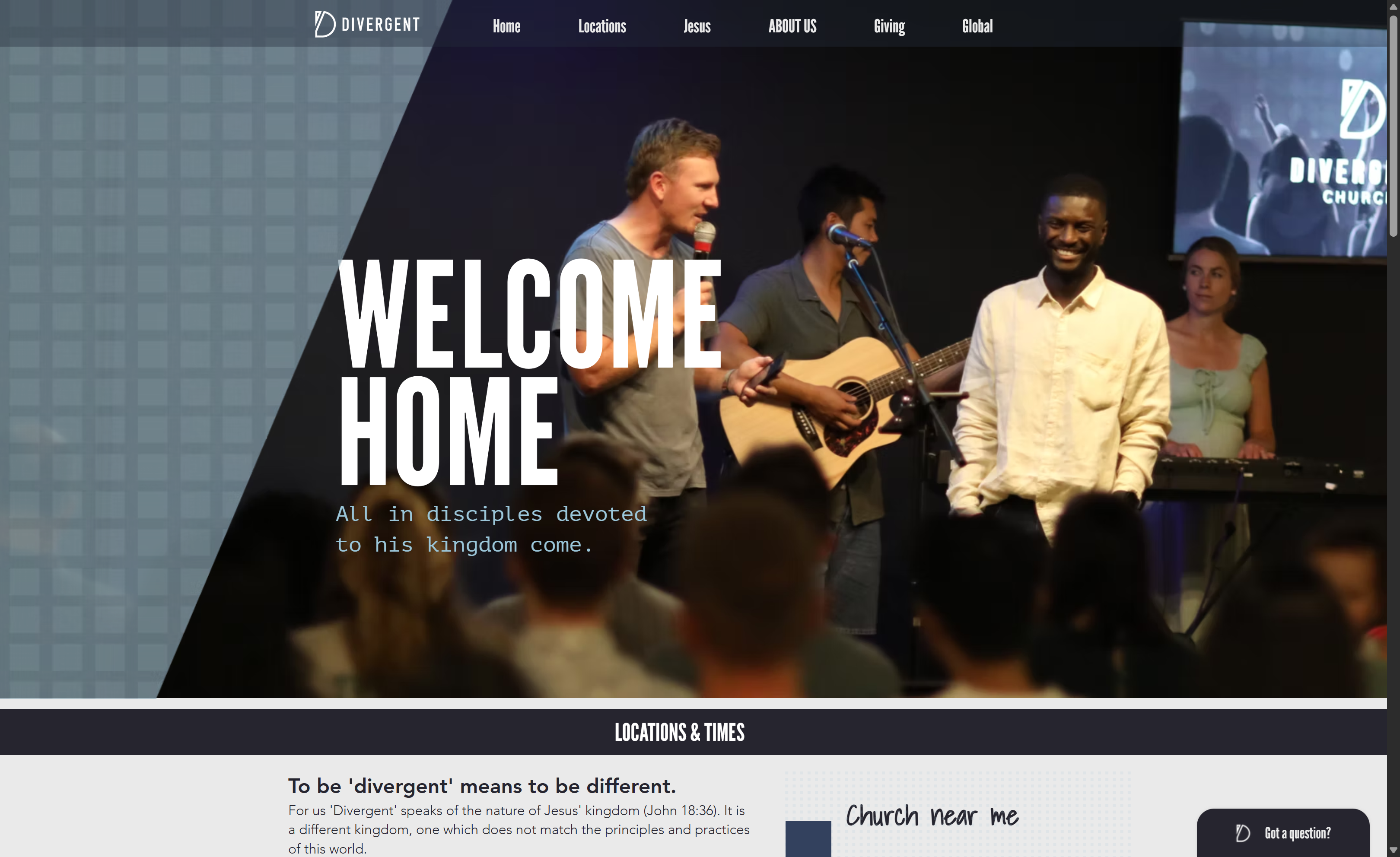
Divergentchurch runs prayer ministry the way James 5 describes it: relational, not transactional. If you want ongoing pastoral care and a community that prays for you consistently rather than once, the Discipleship Hub is the clearest next step, giving you access to structured spiritual growth and pastoral connection. If you’d rather start with a smaller, relational setting, Life Communities connect you with a small group who can carry prayer requests week to week. And if you simply need to ask for prayer right now, the contact page is the fastest way to reach someone directly. Whichever door you choose, you don’t have to carry this alone.
Where can you read more on prayer and healing scripture?
A few sources worth returning to when you want the full text of a passage or a broader devotional context:
Bible Gateway — full translations of Jeremiah 17:14 and other healing verses, useful for comparing wording across versions.
BibleStudyTools — a broader topical list of healing scriptures organised by physical, emotional and spiritual need.
Compassion International — reflections pairing Scripture with real stories of prayer alongside medical care.
Divergent Church’s prayer resources — background on communal prayer practice referenced throughout this article.
Each source offers a different angle: full text, topical breadth, lived example, and local church practice, together giving you a fuller picture than any single list could.
Sources
Recommended
Comments