
Christian church Australia: your complete guide

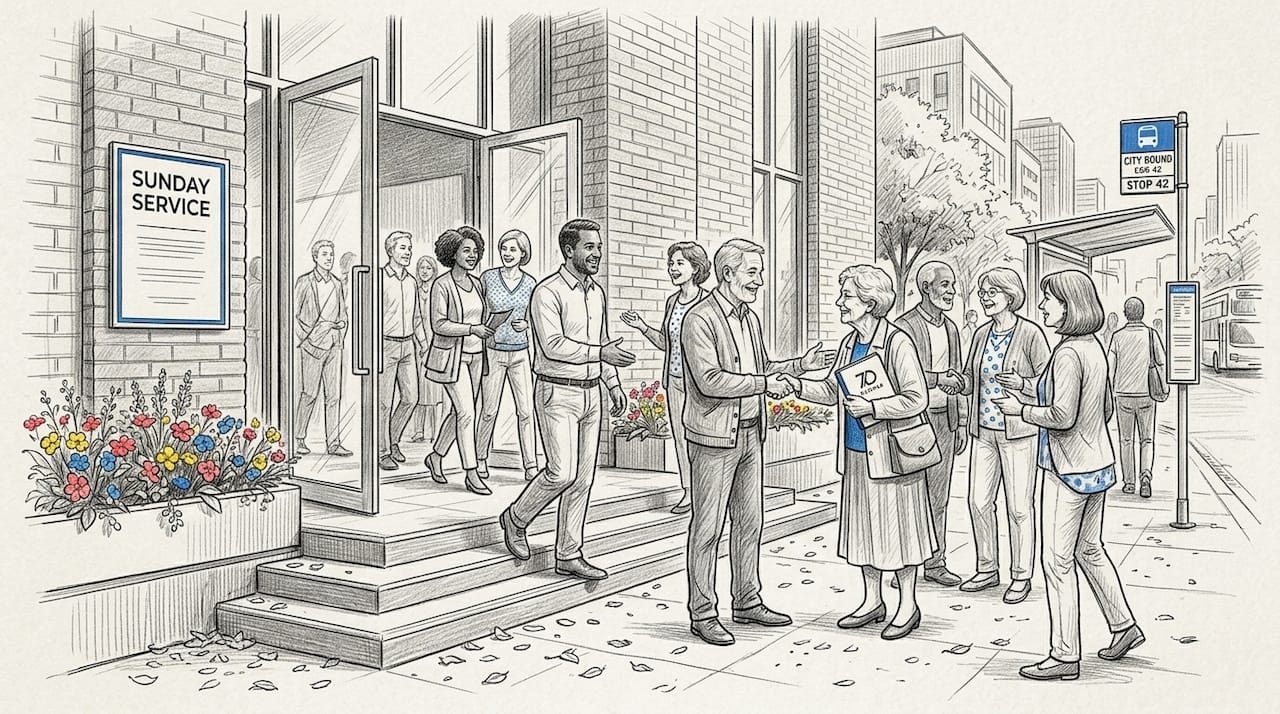
Stepping into a Christian church in Australia for the first time can feel uncertain, especially if you have no idea what to expect or whether you even need an invitation. The good news is that you do not. The Christian church Australia scene is far more accessible, diverse, and welcoming than most people realise. Whether you are spiritually curious, returning after years away, or actively searching for a community to call home, this guide will walk you through the denominational landscape, what happens on a Sunday morning, and how to move from visitor to genuine member of a community shaped by faith.
Table of Contents
Key takeaways
Point | Details |
No invitation needed | Most Australian churches welcome anyone who simply turns up, with no prior knowledge or registration required. |
Denominations vary widely | From Pentecostal networks to Anglican and Uniting congregations, each tradition offers a distinct worship culture and community style. |
Community goes beyond Sunday | Small groups, discipleship programmes, and mentoring are where lasting spiritual growth and belonging are built. |
Accessibility has expanded | Many churches now offer livestreamed services alongside in-person worship, making participation easier for newcomers. |
Comparing programmes matters | Evaluating children’s ministries, pastoral care, and formation pathways helps you find the right spiritual home faster. |
The Christian church landscape in Australia
Australia’s Christian community is broader and more structured than many people assume. 43.9% of Australians identify as Christian, spanning traditions as old as colonial settlement and movements as recent as the past few decades. Understanding who the key players are helps you orient yourself before you ever walk through a door.
Australian Christian Churches (ACC) is one of the most significant Pentecostal networks in the country. With over 1,100 churches and more than 400,000 constituents, it represents a movement of self-governing local churches that collaborate nationally to spread the gospel. Pentecostal churches under the ACC banner are among the fastest-growing segments of Australian Christianity, attracting younger demographics and those drawn to expressive, Spirit-filled worship.
The National Council of Churches in Australia (NCCA) operates very differently. Rather than a single denomination, the NCCA gathers 18 national Christian churches under a framework of cooperative prayer, worship, and witness. It includes Catholic, Orthodox, Anglican, Uniting, and other historic denominations working together on shared concerns. For someone new to faith, the NCCA’s ecumenical events offer a low-pressure way to encounter the breadth of Christian tradition without committing to a single church.
Here is a snapshot of the major denominational groupings and what they broadly represent:
Denomination | Estimated size | Worship style | Community focus |
Catholic Church | Largest in Australia | Liturgical, sacramental | Parish-based, family ministry |
Anglican Church | Second largest | Traditional to contemporary | Broad theological range |
Uniting Church | Mid-sized | Inclusive, progressive | Social justice, dialogue |
ACC (Pentecostal) | Fastest growing | Expressive, contemporary | Evangelism, discipleship |
Presbyterian/Reformed | Smaller, stable | Scripture-centred | Catechism, community care |
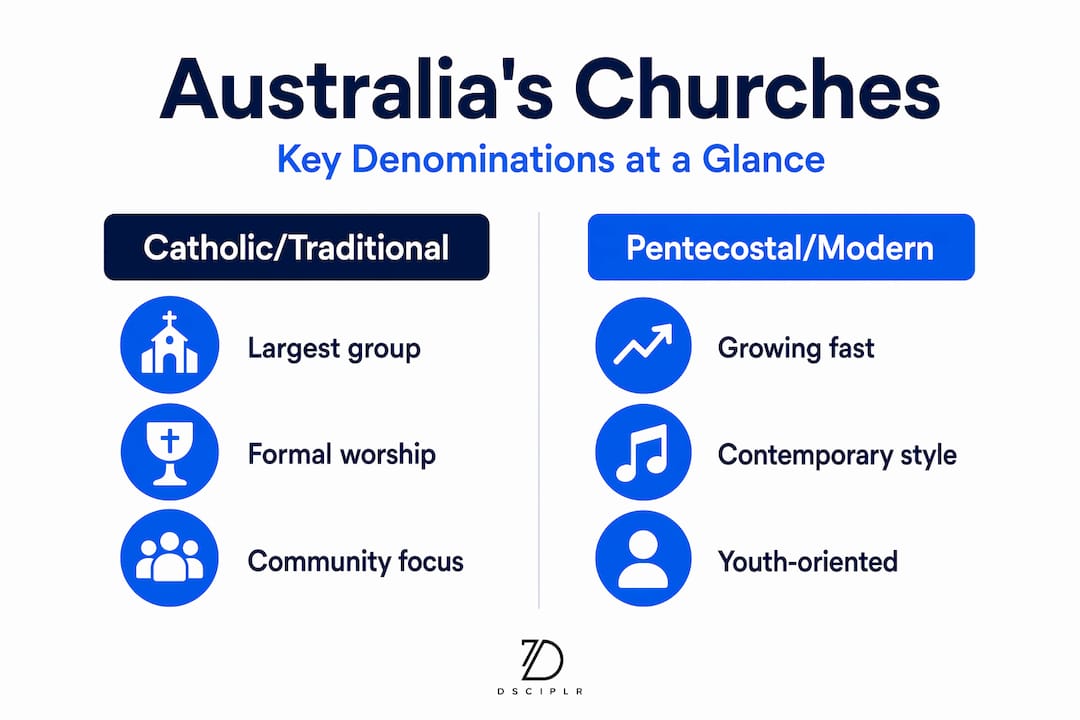
The diversity here is not a weakness. It is a reflection of the many ways people encounter and live out faith. Your task is simply to find where you fit.
What to expect on your first visit
One of the most persistent misconceptions about attending church in Australia is that you need a formal invitation, a Bible under your arm, or some prior knowledge of Christian doctrine. You need none of those things. First-time visitors can simply turn up and expect a genuinely warm welcome.
Here is what a typical Sunday morning looks like:
Arrival and greeting. Most churches have welcome teams at the door. You will likely be greeted by name by the end of your second visit.
Worship. Services usually open with a period of sung worship, ranging from traditional hymns to contemporary music depending on the church style.
Bible teaching. A sermon or message drawn from Scripture sits at the heart of most services. You do not need to follow along perfectly. Listening is enough.
Prayer. Congregational prayer is common, and many churches offer personal prayer ministry at the end of the service for anyone who wants it. River Church Brisbane is one example of a church that provides personal prayer at the service’s close alongside flexible service lengths.
Children’s programmes. Many congregations run dedicated kids’ programmes during the service, often for ages three to nine, so families can worship without distraction.
Fellowship. After the service, most churches offer coffee and conversation. This is where real connections begin.
Service times vary. Some churches run multiple services at 9am, 11am, and 5pm to accommodate different schedules. If Sunday mornings do not suit you, evening services and night church options are increasingly common in urban centres.
Pro Tip: Bring your questions. Most churches actively welcome curiosity. If you find yourself unsure about something you heard in the sermon, the welcome team or a pastor will be genuinely glad to talk it through with you after the service.

Growing deeper: discipleship, small groups, and community
Attending a Sunday service is the seed being planted. The real growth happens in the soil of community life that exists throughout the week. This is where Australian Christian congregations distinguish themselves most clearly, and where you will find the greatest variation between churches.
Small groups and growth groups. These are the backbone of discipleship in most healthy churches. Meeting weekly or fortnightly in homes or community spaces, small groups provide a setting for Scripture study, honest conversation, and genuine friendship. Church involvement that extends beyond Sunday through structured pathways like small groups is widely recognised as critical for meaningful spiritual growth and belonging.
One-on-one mentoring. Some churches offer structured mentoring relationships, pairing newer believers with more experienced disciples. Wonga Park Christian Reformed Church is one example of a congregation that builds discipleship elements like one-on-one mentoring and catechism directly into its community life.
Bible study groups. Separate from small groups, dedicated Bible study groups go deeper into specific books of Scripture or theological themes. These attract people who want more than a Sunday sermon and are ready to wrestle with the text.
Youth and young adult programmes. Youth Christian groups in Australia are a significant part of church life, particularly in larger congregations. Many churches run dedicated programmes for teenagers and young adults that combine faith formation with genuine social connection.
Ecumenical events. The NCCA and local church networks regularly organise shared prayer events and worship services that cross denominational lines. Leaders from over a dozen denominations gathered for a Week of Prayer for Christian Unity service in Sydney in 2026, reflecting the genuine desire for Christian unity across traditions. Participating in these events is one of the most effective ways for newcomers to encounter the breadth of the Christian community in Australia without the pressure of committing to a single congregation.
Pro Tip: After your first or second visit, ask the welcome team specifically about small groups or growth groups. Do not wait for the information to find you. The churches most serious about discipleship will have a clear answer ready.
Comparing churches: finding the right fit
Not every church will feel like home on the first visit. That is normal, and it does not mean something is wrong with you or the church. The goal is to find a community where you can genuinely grow, serve, and belong. Comparing a few key features will help you narrow your search.
Feature | What to look for | Why it matters |
Worship style | Contemporary, traditional, or blended | Affects how you engage emotionally and spiritually in services |
Pastoral care | Dedicated pastoral team or home group leaders | Determines how supported you feel in difficult seasons |
Children’s ministry | Age-specific programmes, trained leaders | Critical for families with young children |
Online access | Livestream or recorded services | Helps you stay connected when you cannot attend in person |
Discipleship pathway | Clear next steps after first visit | Indicates whether the church invests in long-term formation |
Many churches now livestream services alongside in-person worship, making it possible to explore a congregation’s culture before you ever walk in. This is a genuinely useful tool for the cautious first-timer.
The types of Christian communities available across Australia are more varied than most people expect. Within the ACC alone, local church cultures and pastoral care styles vary significantly despite a shared Pentecostal theology. Visiting two or three churches before settling is not indecision. It is wisdom.
A practical approach that works well is to compare formation offerings rather than denominational labels. Ask: Does this church have a clear discipleship pathway? Is there a community of small groups I can join? Are children genuinely welcomed and cared for? Those questions will serve you better than debating the finer points of theological tradition.
My honest take on finding a church in Australia
I have seen people spend years on the edge of a congregation, attending Sunday services faithfully but never quite feeling like they belong. And almost without exception, the reason was not the church. It was that they never took the step of joining a small group or asking about next steps.
The Sunday service is the front door. Community is what is inside. In my experience, the churches that take discipleship seriously are the ones that make it easy to walk through that second door. They have a clear pathway, a person ready to walk with you, and a culture that expects newcomers to go deeper rather than just observe.
I would also say this: do not let denominational labels intimidate you. Attending an ecumenical prayer event or visiting a church outside your assumed tradition can be genuinely transformative. The NCCA’s cooperative prayer frameworks exist precisely because the body of Christ is bigger than any single expression of it.
The misconception that you need to have everything sorted before you show up is one of the most damaging lies about church attendance. You do not need to believe everything perfectly. You do not need to know the songs. You just need to be willing to show up and stay curious.
— Josh
Find your place at Divergent Church
If you are in Canberra and searching for a Christian community that takes discipleship seriously, Divergent Church exists for exactly that. We are not simply a Sunday gathering. We are a community shaped by Scripture, centred on Jesus, and expressed through everyday life, relationships, and mission in the city.
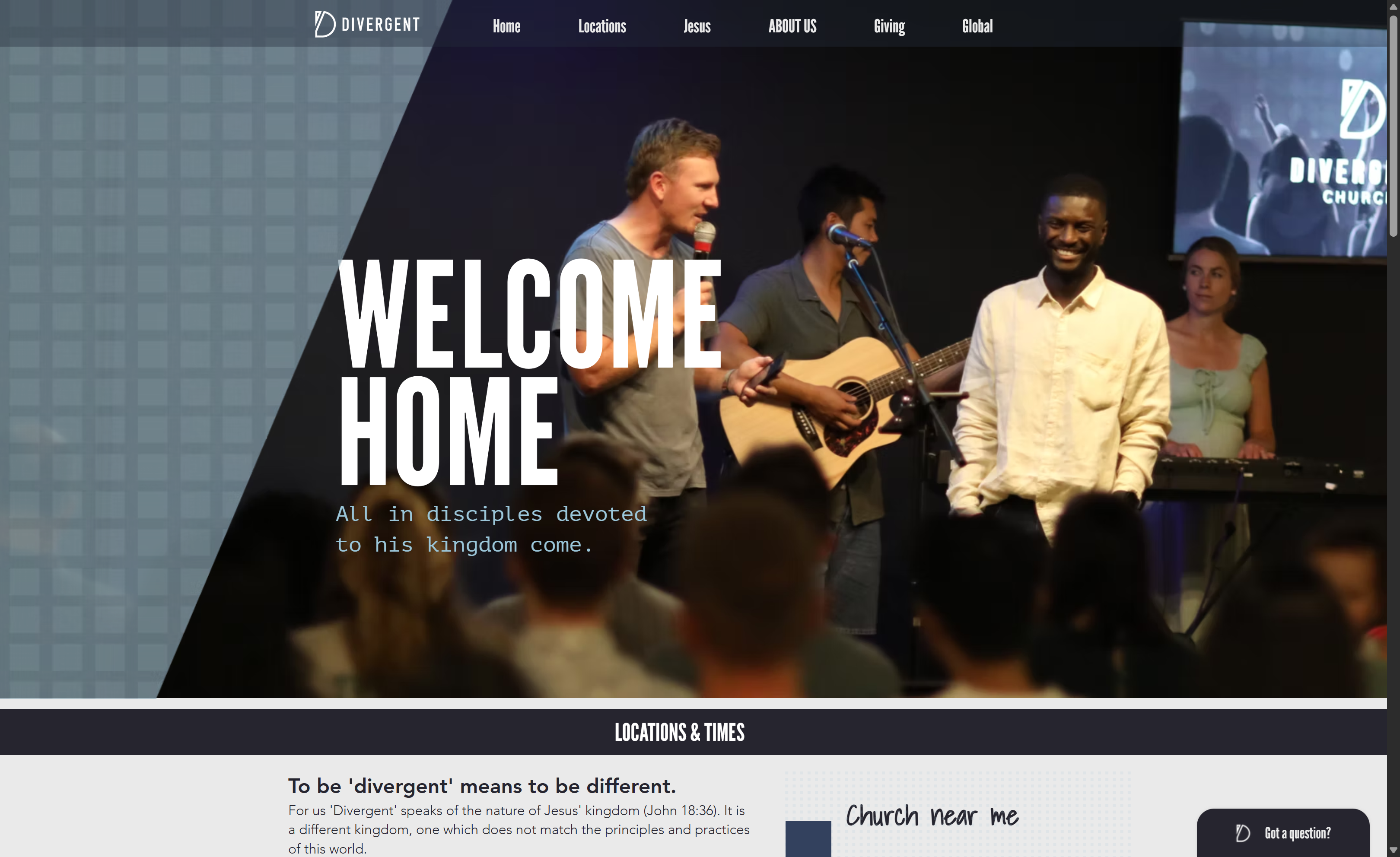
Whether you are exploring faith for the first time or looking to go deeper after years of Sunday attendance, Divergent Church has a pathway for you. The Discipleship Hub offers structured formation resources, while Life Communities connects you with small groups built around genuine belonging. If you are ready to take a first step, the Discover Jesus programme is the place to begin. And if you are wondering what the next step looks like after that, Next Steps will show you clearly. Come as you are. Stay and grow.
FAQ
Do I need an invitation to attend a church in Australia?
No. Most Australian churches welcome anyone who simply turns up, with no prior knowledge, registration, or invitation required. Bringing questions is actively encouraged.
What is the difference between ACC and NCCA churches?
Australian Christian Churches is a Pentecostal network of over 1,100 self-governing churches, while the NCCA is an ecumenical body uniting 18 national denominations for cooperative worship and witness. They serve different but complementary roles in the Australian Christian community.
How do I find the right church for me?
Compare formation offerings such as small groups, discipleship pathways, and children’s ministries rather than focusing on denominational labels. Visiting two or three congregations before committing is a practical and wise approach.
Are there online church services available in Australia?
Yes. Many churches offer livestreamed services alongside in-person worship, allowing you to explore a congregation’s culture and teaching before attending in person.
What happens after I visit a church for the first time?
Ask the welcome team about small groups, mentoring, or next-step programmes. Churches serious about discipleship will have a clear pathway ready, moving you from visitor to active community member over time.
Recommended
Comments