
Christian Addiction Support in Canberra: You Can Have Both


Church-based pastoral support in Canberra offers ongoing relational care, prayer, peer fellowship and practical help that you can combine with clinical treatment rather than choose instead of it. You can reach a pastoral contact through Divergent Church today, call Canberra Health Services intake on (02) 5124 9977, or ring the National Alcohol and Other Drug Hotline on 1800 250 015. Help is available now, and the steps below show you exactly how to connect.
TL;DR:
Call the National Alcohol and Other Drug Hotline at 1800 250 015 for an immediate crisis; routine treatment intake is available weekdays through Canberra Health Services.
Before joining, ask how the group handles confidentiality, crisis response, and clinical referrals; pastoral contacts should obtain your consent before sharing personal details.
Choose communities with weekly groups, mentors who remain involved beyond the first difficult months, and accountability partners who check in without judgment.
Table of Contents
What church-based pastoral addiction support actually looks like
Pastoral support is not a programme you enrol in once and finish. It is a relationship, built through listening conversations, prayer, mentoring and the kind of ordinary fellowship that holds people together through a hard season. A pastor or trained small-group leader sits with you, prays with you, and walks alongside you as discipleship unfolds, not as a one-off intervention.
In practice, this takes several shapes across a Canberra church community:
Recovery-focused small groups where people share honestly without judgement.
Accountability partnerships between two people who check in regularly.
Prayer meetings that hold space for struggle as well as hope.
Practical help such as meals, transport to appointments or company at a hard moment.
A 2021 study on congregational readiness found that churches with strong community support, resource awareness and a shared sense of the issue’s importance were significantly more ready to implement recovery programming. That matches what we see in Canberra: congregations that treat recovery as a normal part of discipleship, rather than a separate category of people needing fixing, tend to sustain support far longer.
Pastoral care works best when it knows its own boundaries. We are not a clinical service, and we do not pretend to be. Prayer, fellowship and practical accompaniment sit alongside counselling and medical treatment, never in place of it.
Pro Tip: Ask a prospective small group or pastoral contact how they handle referrals to clinical services. A church that already knows the local referral pathways is one that takes recovery seriously.
How Canberra’s health services and helplines work alongside your church
You do not have to choose between a pastor and a clinician; understanding policies like Australia’s Mental Health Waiver can help you navigate clinical support alongside pastoral care. Canberra Health Services runs the Counselling and Treatment Service (CTS) and the Youth Drug & Alcohol Program, offering free individual and family counselling and therapeutic group sessions. You can self-refer through the Alcohol and Drug Service Intake and Helpline on (02) 5124 9977, Monday to Friday, 8.30am to 5.00pm.
Here is how the pieces fit together in practice:
For an immediate crisis, call the National Alcohol and Other Drug Hotline on 1800 250 015. It operates nationally and connects you to local support.
For ongoing clinical treatment, call Canberra Health Services intake directly, or ask your pastoral contact to help you make that first call.
For family members and carers, Family Drug Support offers a 24-hour telephone line, support groups and education programs.
Path2Help, run by the Alcohol and Drug Foundation, matches you to nearby services by postcode, which means a Canberra postcode returns genuinely local options rather than a generic national list.
A church can accompany you through this process: driving you to an appointment, sitting with you in a waiting room, praying with you beforehand. What a church should always do first is ask your consent before discussing your situation with anyone else, including clinical staff. Good pastoral care protects your privacy as carefully as it offers you company.

How to find and join faith-based recovery support in Canberra
Finding the right fit starts with a phone call or a visit, not a form. These steps work whether you are reaching out for yourself or for someone you love.
Call or message a pastoral contact directly and ask about recovery-focused groups or mentoring.
Visit a Sunday gathering to get a feel for the community before committing to anything smaller.
Check small-group listings online for a group that fits your stage of life and schedule.
RSVP to a specific group session rather than waiting for a perfect moment to arrive.
When you make that first call, you can keep it simple: “I’m dealing with some things around alcohol and drug use, and I’d like to talk with someone and maybe join a group. Can you tell me how that works here?” A good pastoral leader will answer plainly, without pressure, and will be upfront about confidentiality.
Before joining a group, it is worth asking a few direct questions: How is confidentiality handled within the group? What happens if someone is in crisis during a session? Is there a plan for connecting people to clinical services when needed? If a leader cannot answer these clearly, that tells you something important about the group’s readiness.
Pro Tip: If a pastor suggests involving a counsellor or doctor, that is a sign of good practice, not a sign that your faith community has given up on you. Referral always requires your consent, and you remain in control of what is shared.
Building recovery that lasts through ongoing Christian community
Recovery rarely holds through willpower alone. It holds through the slow, steady rhythm of people who show up week after week. Churches that genuinely support long-term recovery tend to practise a few things consistently.
Regular small groups that meet weekly, not just when someone is in crisis.
Mentoring relationships that outlast the first few difficult months.
Service opportunities that give people purpose beyond their own struggle.
Accountability partners who check in without judgement.
An Australian study of the Salvation Army’s Bridge Programme found that increases in spiritual wellbeing, through prayer and participation in a recovery-oriented church, were associated with decreases in the severity of alcohol and drug use at end-of-treatment and again at three-month follow-up. That finding lines up with what Scripture has always pointed to: we are built for belonging, not isolation.
“Carry each other’s burdens, and in this way you will fulfil the law of Christ.” (Galatians 6:2)
A congregation ready to support recovery usually has a named pastoral contact, trains its small-group leaders in basic awareness of local services, and keeps no one’s story on display without their permission. Ask quietly whether these things exist before you commit your trust to a group.
Why local faith community matters more than we expected
I lead pastoral conversations at a local church in Canberra, and the pattern I keep seeing is this: people do not fall apart in a single crisis moment. They are sustained, or they are not, by the ordinary relationships around them on a Tuesday night. Canberra’s transient population, students, public servants, new arrivals, makes genuine belonging harder to find and more necessary once it is found.
If you reach out to us, expect a straightforward conversation, not a programme pitch. We will listen, pray with you if you want that, and help you find the next right step, whether that is a small group, a clinical referral, or both.
— Josh
Find your place in a Canberra community that walks with you
We exist as a church in the ordinary rhythms of Canberra and Queanbeyan: its university terms, its public service cycles, its neighbourhoods full of people figuring out where they belong. Recovery fits inside that same rhythm, which is why we build our community around relationship rather than events alone.
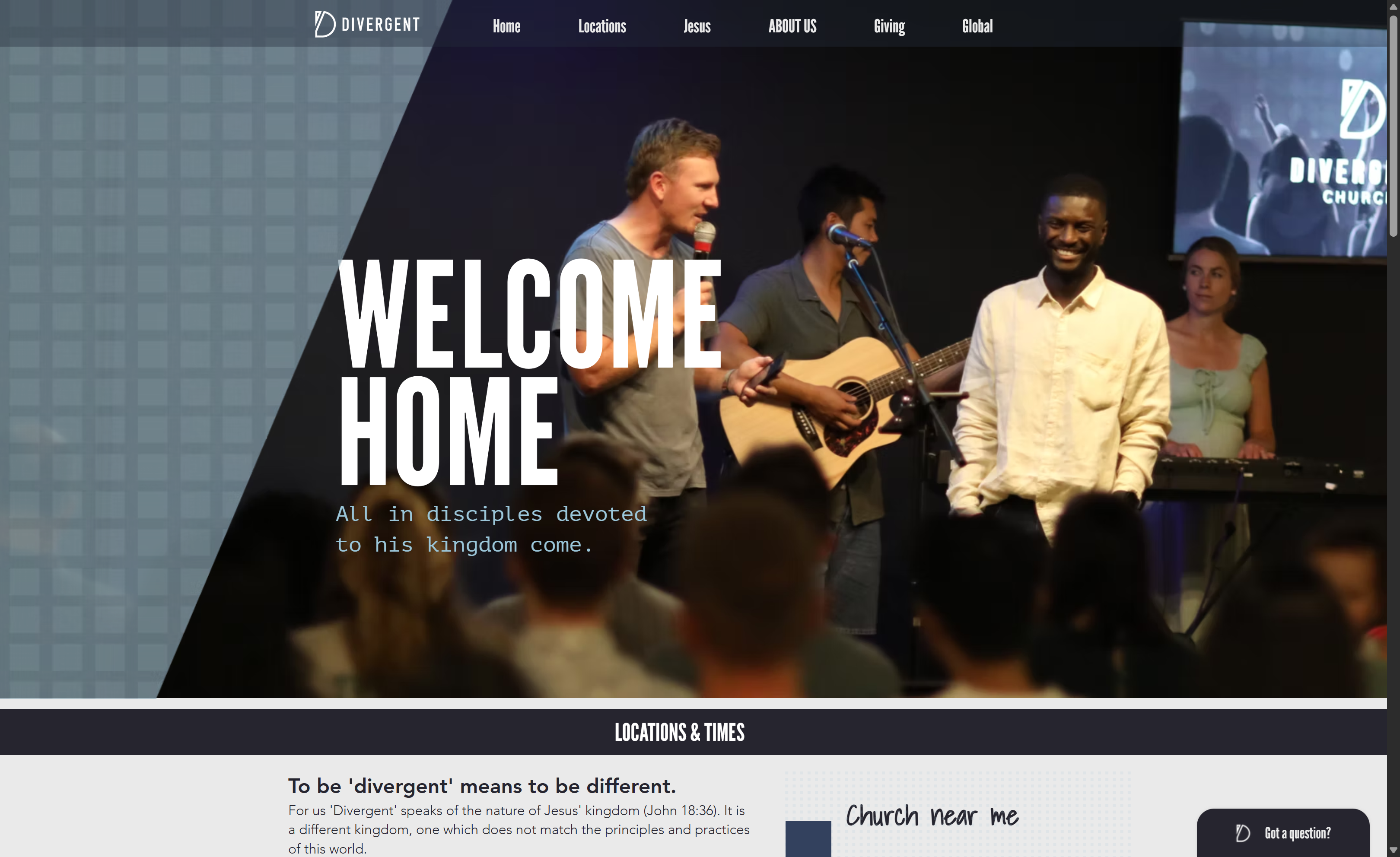
If you are ready to connect, here is where to start:
Visit our Canberra landing page to find a gathering near you.
Browse Grow small groups for an ongoing community that meets weekly.
Reach out to a pastoral contact directly to talk through what support could look like for you.
If you lead a peer support or recovery group and need a space to meet, our Seminar Room is available from $50 per hour, with booking details here.
Community like this is not something you watch from a distance. It is something you step into, one conversation at a time.
This article is general information, not a substitute for advice from a qualified doctor. Consult a qualified healthcare professional about your own circumstances before acting on anything here.
FAQ
What does Christian addiction support in Canberra involve?
It involves pastoral conversations, prayer, mentoring and peer fellowship offered through a local church, alongside practical help such as transport or meals. This kind of support complements, rather than replaces, clinical counselling through Canberra Health Services.
What addictions do Christian support groups in Canberra typically address?
Most church-based groups in Canberra welcome people dealing with alcohol, drug use or behavioural struggles such as gambling, offering relational and spiritual support rather than clinical treatment. For diagnosis or medical treatment, Canberra Health Services’ Counselling and Treatment Service remains the appropriate first clinical contact.
How do I find a faith-based recovery group near me in Canberra?
Start by contacting a local church’s pastoral team directly or checking small-group listings online for recovery-focused or support groups. Visiting a Sunday gathering first can help you gauge whether the community feels like the right fit before joining anything smaller.
Who should I call in a drug or alcohol crisis in Canberra?
Call the National Alcohol and Other Drug Hotline on 1800 250 015, which operates nationally and connects you to local Canberra services. For ongoing treatment rather than a crisis, call Canberra Health Services intake on (02) 5124 9977 during business hours.
Are pastoral caregivers trained to support people through addiction recovery?
Training varies between churches, so it’s worth asking directly whether small-group leaders have any awareness of local referral pathways and crisis response. A congregation genuinely ready to support recovery will usually have a designated pastoral contact and a clear sense of when to involve clinical services.
Sources
Recommended
Comments