
Church integration guide: finding your place in Canberra


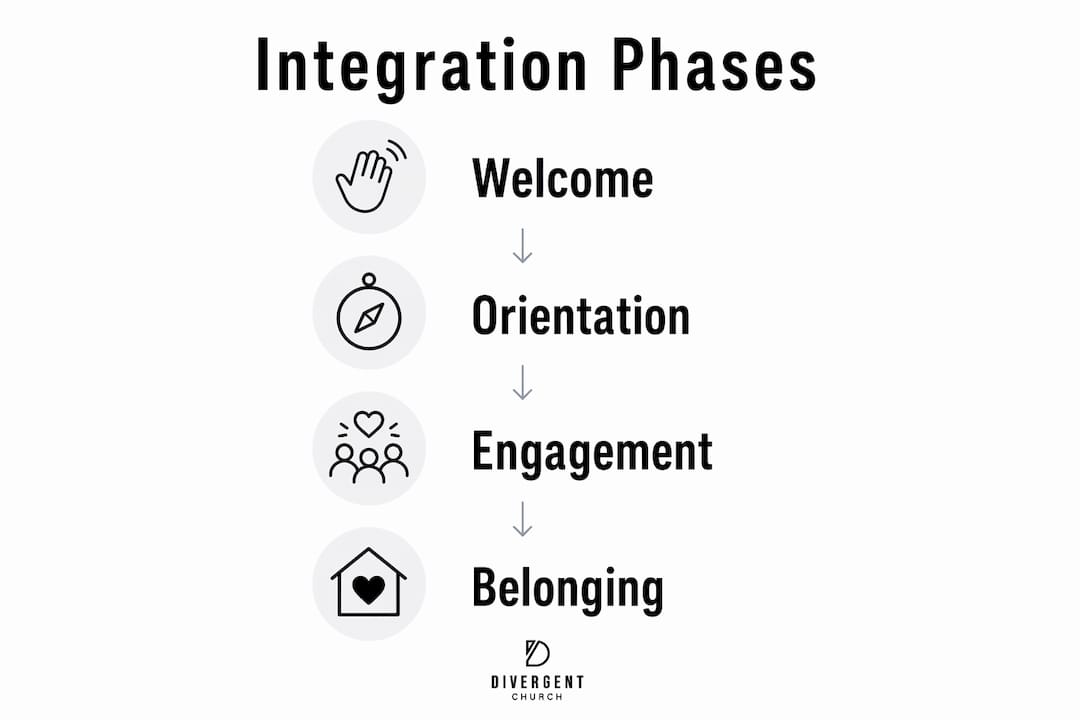
Church integration is the intentional process of moving from first-time visitor to fully connected member through three distinct phases: welcome, structured orientation, and long-term relational engagement. For individuals and families in Canberra, this process is both a practical pathway and a spiritual one. Divergentchurch exists precisely within this tension, shaped by the rhythms of a city with universities, transient populations, and diverse neighbourhoods. A well-followed church integration guide does not just help you find a seat on Sunday. It helps you find your people, your purpose, and your place in the kingdom.
What are the key phases of the church integration process?
Integration proceeds in three phases: welcome, structured orientation, and long-term relational engagement. Each phase has a distinct goal, and skipping one creates gaps that lead to drop-off. Understanding the full arc helps you set realistic expectations from the start.

The welcome phase is exactly what it sounds like. You attend, you are greeted, and you begin to sense whether this community feels like home. This phase is brief but critical. First impressions shape whether a newcomer returns the following week or quietly disappears.
Structured orientation comes next. This is where mission, values, and culture are formally introduced. Orientation is a one-time informational introduction, not the full integration process. Confusing the two is one of the most common reasons new members disengage within the first few months.
Long-term relational engagement is where genuine belonging is built. This phase takes the most time and the most intentionality. Integration is an ongoing process that often takes several months to achieve full belonging. That timeline is not a failure. It is the nature of real community.
Phase | Goal | Expected outcome |
Welcome | First connection and comfort | Newcomer returns and feels seen |
Structured orientation | Understanding mission and values | Newcomer knows the church’s culture and direction |
Relational engagement | Building friendships and belonging | Newcomer participates in groups and ministries |
Ongoing integration | Spiritual growth and contribution | Member serves, leads, and invites others |
How to prepare for and engage in each integration phase
Preparation changes everything. Newcomers who arrive with a posture of openness and a willingness to be known tend to integrate far more quickly than those who observe from a distance for months. The church involvement process rewards those who lean in early.
Here is what active engagement looks like at each stage:
During the welcome phase: Introduce yourself to at least one person each week. Ask a question rather than waiting to be asked one. Attend a second service before deciding whether the community fits.
During orientation: Take notes. Ask about the church’s core commitments and how they show up in everyday life, not just on Sunday. Clarify what discipleship looks like in practice.
During relational engagement: Join a small group or ministry team. Shared activity builds friendship faster than Sunday attendance alone. At Divergentchurch, Life Communities are specifically designed for this stage.
Across all phases: Communicate your needs clearly. If you have children, a disability, or a cultural background that shapes how you worship, say so. Churches that practise genuine accommodation want to know.
Mentorship is one of the most underused tools in the membership integration plan. Assigning a mentor or ‘buddy’ dramatically improves newcomer retention. A mentor is not a staff member with a checklist. They are a peer who walks alongside you, answers the questions you feel awkward asking in a group, and helps you read the informal social norms that no orientation session can fully capture.
Pro Tip: When you first connect with a mentor or buddy, ask them one specific question: “What do you wish someone had told you in your first three months here?” That single question opens more honest conversation than any formal introduction.
Finding a mentor does not require a formal programme. Ask a leader to connect you with someone who has been part of the community for one to two years. That person is close enough to remember what it felt like to be new, and settled enough to help you find your footing.
What roles do church leadership and community members have?
Leadership sets the tone for how newcomers are received. Diverse leadership reflects the congregation’s makeup and signals to newcomers that they belong before a single word is spoken. When the people on stage or in pastoral roles look like the people in the seats, belonging becomes visible rather than merely promised.
Monocultural churches often mistake niceness for genuine welcome. Friendliness is not the same as inclusion. Genuine inclusion requires intentional and visible effort from leadership, not just warmth from volunteers at the door. This distinction matters enormously for families from diverse cultural backgrounds who are weighing whether a church community is truly for them.
Community members carry equal responsibility. Practical ways to support newcomers include:
Sitting near someone new and introducing yourself without waiting for them to approach you.
Inviting newcomers to community meals, events, or small groups by name, not just through a general announcement.
Using inclusive language in conversation that does not assume shared history or insider knowledge.
Noticing when someone has not returned for two or three weeks and following up personally.
Pro Tip: If you spot someone standing alone after a service, that is your moment. Walk over, introduce yourself, and ask one open question about them. You do not need a programme to do this. You just need to notice.
Integration requires intentional cultural accommodation, not mere assimilation. The difference is significant. Assimilation asks newcomers to conform to existing culture. Accommodation asks the existing community to adjust. The latter is harder and more Christlike. At Divergentchurch, the commitment to church diversity shapes how leadership is structured and how community life is expressed.
Common challenges during church integration and how to overcome them
Even with the best intentions, integration stalls. Knowing the most common obstacles helps you navigate them without losing heart.
Confusing orientation with integration. Attending a newcomers’ session and then waiting to feel connected is one of the most common traps. Failing to distinguish orientation from integration causes new member drop-off. Orientation opens the door. Integration requires you to walk through it repeatedly.
Social and cultural adjustment. Every church community has its own rhythms, language, and unspoken expectations. For families from different cultural backgrounds, this adjustment can feel isolating. The solution is not to suppress your identity but to find the people within the community who share your experience or who are genuinely curious about it.
Mentorship breakdown. Sometimes a mentor relationship does not click. The mentor is too busy, the chemistry is wrong, or the connection fades after the first few meetings. If this happens, ask for a different connection. One failed pairing does not mean mentorship does not work. Mentors help newcomers navigate informal social norms that no formal process can replace, so finding the right fit matters.
Passive waiting. Integration does not happen to you. It happens through you. Families who attend for six months without joining a group or serving in any capacity rarely feel they belong. Belonging is built through contribution, not observation.
Lack of follow-up from the church. Ongoing communication and follow-up improve engagement and retention. If a church goes quiet after your first visit, that silence is data. A healthy community reaches out. If yours does not, ask a leader directly how you can get more connected. The active listening worksheet from the Fruit of the Spirit framework is a practical tool for improving the quality of those early conversations, for both newcomers and ministry leaders.
Key takeaways
Effective church integration follows a structured, three-phase process of welcome, orientation, and relational engagement, and requires intentional effort from both newcomers and the existing community.
Point | Details |
Three distinct phases | Welcome, orientation, and relational engagement each serve a different purpose and must not be collapsed into one. |
Orientation is not integration | Orientation introduces mission and values; integration builds belonging over months of relational investment. |
Mentorship accelerates belonging | A dedicated peer mentor helps newcomers navigate informal norms that formal programmes cannot teach. |
Accommodation over assimilation | Existing members must adjust to welcome newcomers, not simply expect newcomers to conform. |
Active participation is non-negotiable | Joining a small group or ministry team is the fastest path from visitor to connected member. |
What I have learned about integrating into a Canberra church community
Integration is a spiritual necessity, not just an administrative task. I have seen people sit in the same seat for two years and still feel like strangers. I have also seen someone become deeply woven into a community within three months, not because the church had a perfect programme, but because they showed up with intention and the community showed up with genuine care.
Canberra is a particular kind of city. It is transient by nature. Public servants rotate. Students arrive and leave. Families relocate for work. That transience creates a specific kind of loneliness that a Sunday service alone cannot address. What addresses it is the slow, patient work of shared meals, honest conversations, and the willingness to be known before you feel ready.
The churches that integrate people well are not necessarily the largest or the most polished. They are the ones where church community is understood as a living thing, shaped by Scripture and expressed through everyday life. Patience matters here. The first three months are rarely comfortable. Push through them.
— Josh
Divergentchurch: your next step toward belonging in Canberra
Divergentchurch is built for the rhythms of Canberra life. Whether you are new to faith, new to the city, or simply looking for a community that takes discipleship seriously, there is a clear pathway from first visit to full participation.
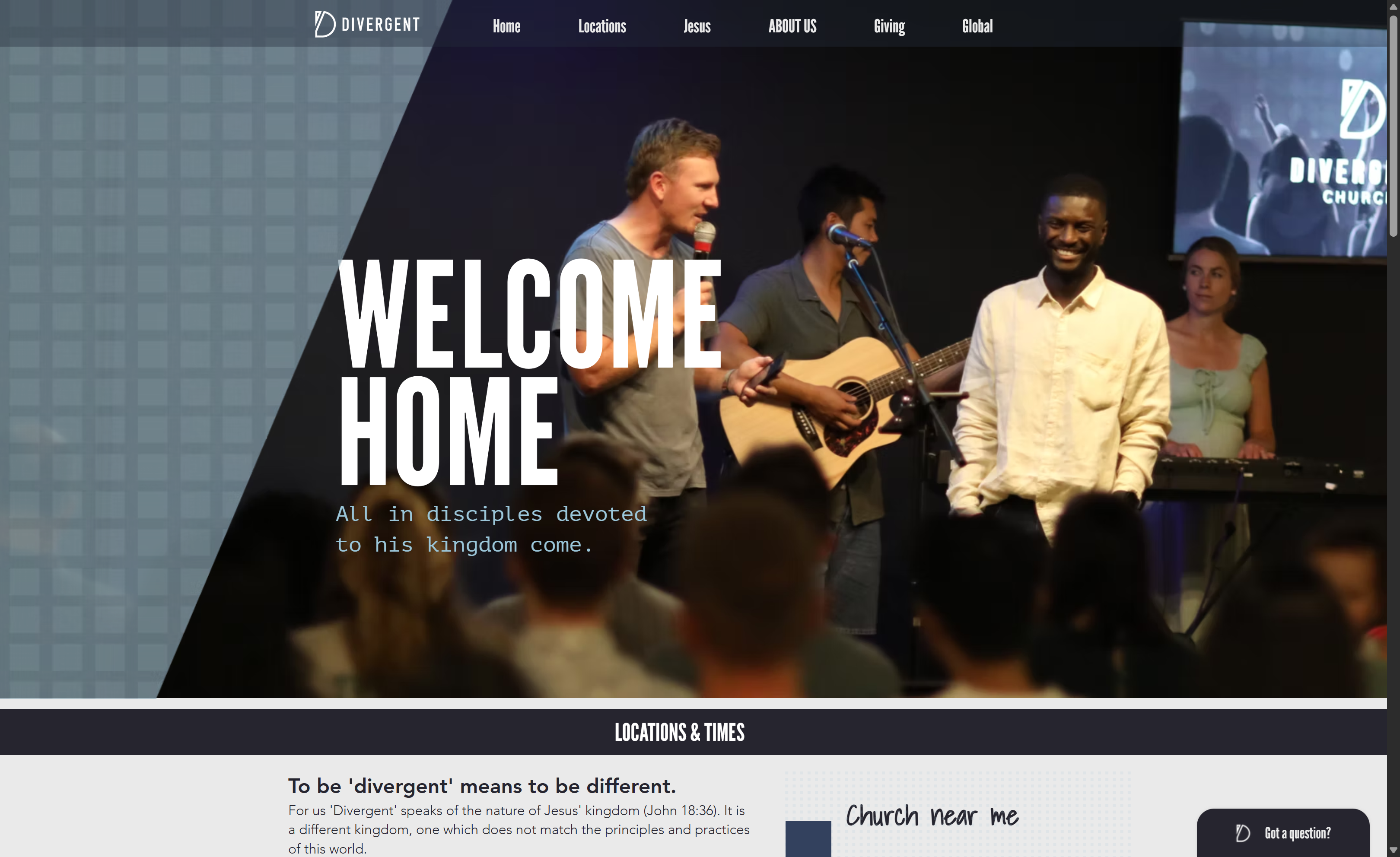
The Discipleship Hub brings together resources, programmes, and community connections designed for every stage of your integration. For those ready to take a concrete first step, the Next Steps page outlines exactly how to move from newcomer to active participant. Divergentchurch’s Life Communities, diverse leadership, and commitment to genuine accommodation make it one of the most intentional places to put down roots in Canberra.
FAQ
What is church integration and how is it different from orientation?
Church integration is the ongoing relational process of becoming a fully connected member of a church community. Orientation is a one-time informational introduction to mission and values; integration is the months-long work of building genuine belonging.
How long does church integration typically take?
Integration often takes several months to achieve full belonging. The timeline varies depending on how actively a newcomer participates in groups, ministries, and relational opportunities within the community.
What is the most effective way to integrate into a church quickly?
Joining a small group and connecting with a peer mentor are the two most effective steps. Mentors help newcomers navigate informal social norms that formal orientation cannot capture, and small groups build friendship through shared activity.
How can I tell if a church is genuinely inclusive?
Look at the leadership, not just the welcome team. Diverse and visible leadership that reflects the congregation’s makeup is the clearest signal of genuine inclusion. Niceness at the door does not equal accommodation in the culture.
What should I do if I feel stuck or disconnected after attending for a few months?
Ask a leader directly to connect you with a mentor or small group. Ongoing communication and follow-up are marks of a healthy church community. If you are not receiving them, request them. Passive waiting rarely resolves disconnection.
Recommended
Comments