
How to invite others to church: a Canberra guide


You already know someone who would benefit from church. Maybe it’s a colleague carrying quiet grief, a friend who keeps asking big questions about meaning, or a family member who seems spiritually curious but disconnected. The desire to invite them is real. So is the hesitation. Knowing how to invite others to church in a way that feels genuine, not scripted or pressuring, is something most believers wrestle with. This guide walks you through every stage, from preparation and the actual invitation through to follow-up, with practical tools shaped for life in Canberra.
Table of Contents
Key takeaways
Point | Details |
Relational invitations work best | The closer the relational connection, the greater the impact on whether someone says yes. |
Meeting beforehand reduces fear | Arranging a coffee or meal before the service significantly increases the chance your guest will actually attend. |
Pray first, then invite | Preparing your heart through prayer creates humility and sets the right intention before extending any invitation. |
Follow-up should be personal | Generic thank-you messages rarely build connection. A warm, specific follow-up tied to the guest’s experience is far more effective. |
Patience reflects love | Relational invitations take time and cannot be rushed, but they result in the most meaningful and lasting connections. |
Why invitation type changes everything
Not all church invitations carry the same weight. There is a spectrum, and understanding where your invitation lands can make a real difference.
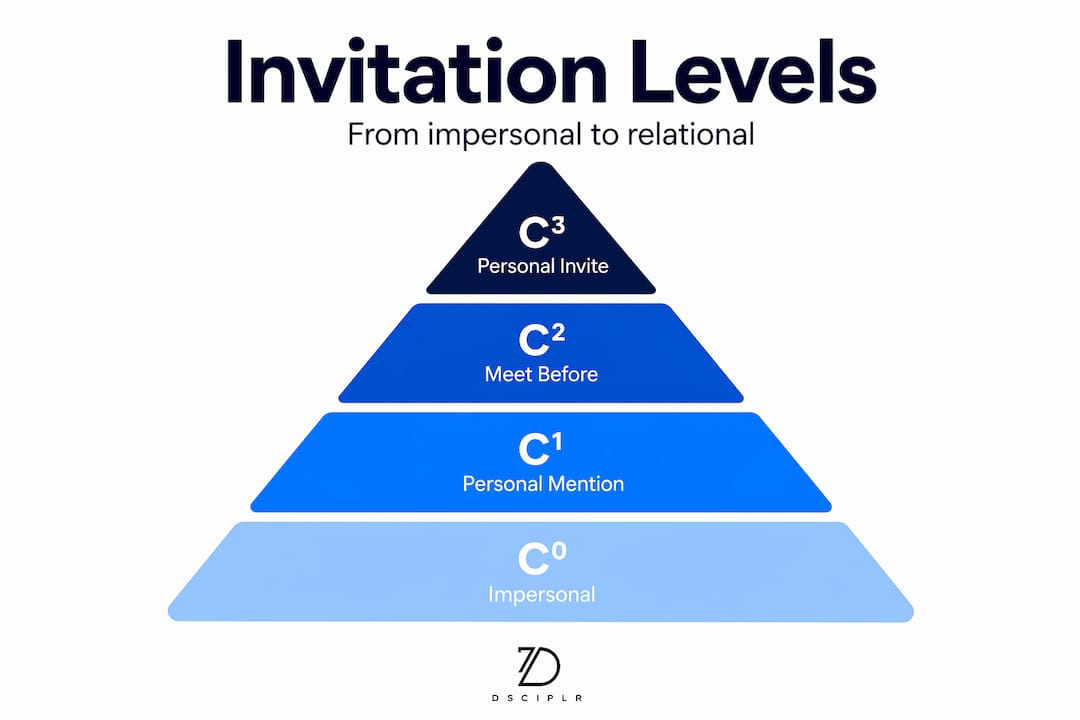
Researchers and church leaders have identified four broad invitation types, often described as C⁰ through C³. Think of them as levels of relational closeness and personal involvement.
Invitation type | Description | Typical acceptance rate |
C⁰ | Impersonal: flyer, social media post, no relationship | Very low |
C¹ | Acquaintance invites casually with no follow-through | Low |
C² | Connected: inviter meets guest beforehand, accompanies them | Around 40% or higher |
C³ | Deep trust: invitation rooted in genuine, ongoing relationship |
The pattern here is unmistakable. As personal investment increases, so does the likelihood that someone will say yes and actually show up. Dropping a flyer on someone’s desk is not the same as sitting across from them over coffee and saying, “I’d love for you to come with me this Sunday.”
The C² approach deserves special attention. Meeting beforehand before the service, even briefly, removes a guest’s biggest fear: walking into an unfamiliar room alone and not knowing what to expect. When you offer to sit together, pick them up, or grab coffee first, you are removing that uncertainty and replacing it with presence. That one step lifts acceptance rates considerably.
Pro Tip: Don’t skip the meet-before step. Even a 20-minute coffee before the service transforms your guest’s experience from “going to church alone” to “going with a friend.” It is one of the most underused and most effective church invitation ideas available to you.
What underlies all of this is a simple truth: personal involvement and relationships matter far more than clever slogans or polished promotions. People come to church because someone they trust cared enough to personally invite them.
Preparing before you invite
Before you say a word to the person you’re hoping to invite, there is quiet, intentional groundwork worth laying. This is not about manufacturing the perfect moment. It is about positioning your heart correctly.

Start with prayer. Praying for the person’s heart and for your own words is a foundational step that many overlook. Pray for openness, for timing, and for the humility to let the invitation be about them rather than about your own desire to see them in a pew. This shifts the entire posture of what follows.
Beyond prayer, here are practical preparations worth making:
Invest in the relationship first. If you only ever talk to someone when you want to invite them somewhere, they will feel it. Regular, genuine connection, sharing meals, asking thoughtful questions, and being present during hard seasons, builds the relational soil in which an invitation can take root.
Identify the right moment. A life transition, the arrival of a new season, a season of grief or searching, these are often moments when people are more open to spiritual conversations. You are not exploiting vulnerability; you are responding to it with care.
Choose the right event. Not every service or programme suits every personality. A Sunday gathering, a community lunch, or a smaller midweek event at Divergent Church may feel very different to a newcomer. Consider what suits the person you are inviting.
Gauge openness naturally. If faith has come up in conversation, if they have asked questions about meaning or community, that is an organic opening. You do not need to engineer one.
Set realistic expectations for yourself. The goal is not a guaranteed yes. The goal is a genuine, loving invitation that plants a seed.
Pro Tip: Ask yourself honestly: “Am I inviting because I care about this person, or because I feel I should?” Inviting friends to church works best when it flows from genuine love, not obligation. People sense the difference immediately.
Making the invitation: practical steps
This is where many people freeze. What do you actually say? The good news is that the best invitations are rarely polished. They are honest and specific.
Here is a practical approach you can adapt:
Start with the relationship, not the event. Begin from a place of genuine connection. Something like, “I’ve been thinking about you lately,” is far warmer than opening with the church name and service time.
Be honest about what it means to you. You do not need to deliver a theology lecture. Simply sharing why your church community matters to you, and what you have found there, is more compelling than any brochure. “I’ve found a really genuine community at Divergent Church and it means a lot to me” is enough to begin.
Offer a specific invitation, not an open-ended one. “You should come sometime” is easy to deflect. “Would you want to come with me this Sunday?” is specific, clear, and easier to respond to honestly.
Offer to meet beforehand. As covered above, this is the step that changes outcomes. “I’d love to grab coffee before the service so we’re going in together” transforms the experience entirely. Sitting alongside a familiar face reduces newcomer anxiety far more than any welcome team greeting can.
Give them room to respond. After you have invited, stop talking. Let them process. Do not fill the silence with nervous justification or pressure. A simple “No pressure at all, I just wanted to let you know you’d be welcome” communicates respect and removes the fear of an awkward yes they might regret.
Invite to smaller gatherings first if needed. Sometimes a Sunday service feels too large a first step. A Life Community gathering or a social event can be a gentler introduction to the broader community.
Using conversational language matters here, especially with colleagues or friends who have no church background. Avoid insider language like “service,” “fellowship,” or “the Word” without brief, natural explanation. Keep it real, keep it warm, and keep the focus on them.
Following up with care
The invitation does not end when your guest walks through the door. What happens after their first visit is just as shaping as the invitation itself.
Follow-up letters or messages that work best are warm, brief, and personal. They begin by referencing something specific about the guest’s experience, not a generic “thanks for coming.” They offer one clear, concrete next step rather than overwhelming the person with options. A message that says, “It was so good to have you with us last Sunday. We have a newcomers’ lunch coming up and I thought of you immediately” feels human. A templated mass email does not.
Here are the follow-up principles that make the biggest difference:
Contact them within 48 hours while the experience is still fresh.
Reference something specific about the visit, a conversation, a moment, or a question they raised.
Mention a single upcoming next step rather than listing five options.
Use a phone call, a personal message, or a handwritten note rather than defaulting to mass communication.
Respect their response. If they say they are not ready to return, honour that graciously and keep the relationship warm.
Next-step invitations such as newcomers’ lunches or midweek community gatherings give guests a natural pathway back without the weight of committing to regular Sunday attendance straight away.
Pro Tip: Treat follow-up as an extension of hospitality, not a strategy to increase attendance numbers. When people feel genuinely cared for rather than pursued, they are far more likely to return and to keep returning.
Handling challenges and common mistakes
Even with the best intentions, invitations can go sideways. Here is how to navigate the most common difficulties:
Fear of rejection. This is the most common barrier. But inviting with humility and love rather than aiming for an immediate yes reframes rejection entirely. A “not right now” is not a closed door. It is a moment to keep the relationship intact and return to the invitation later.
Awkward silence after the invite. Let it breathe. Filling silence with justifications often makes things worse. A calm, unhurried response to their hesitation shows confidence and respect.
Pushing too hard. Enthusiasm is good. Pressure is not. If someone declines, accept it graciously. Following up two weeks later with another invitation to a different event is appropriate. Following up the next day is not.
One-size-fits-all approaches. Canberra is a city of significant cultural diversity, particularly with its university population and international community. What feels natural to invite a long-time Australian friend may feel entirely different when inviting a colleague from another cultural background. Adjust your tone, timing, and framing accordingly.
Focusing on outcomes. Your job is to extend a genuine, loving invitation. What someone does with it is between them and God. Releasing the outcome frees both you and the person you are inviting from unnecessary pressure.
Relational invitations require time and cannot be rushed, but they result in the highest acceptance and the most meaningful belonging. Patience, in this context, is not passive. It is a form of love.
My honest take on inviting people to church
I have watched people tie themselves in knots trying to find the perfect script for inviting someone to church, and I have done the same thing myself. What I have learned, sometimes the hard way, is that the words matter far less than the relationship carrying them.
The invitations that have meant the most to people I know in Canberra were not the ones with the most eloquent phrasing. They were the ones where the person doing the inviting genuinely showed up beforehand, sat beside their guest during the service, and followed up with a real conversation afterward. That presence is what transforms a church invitation from an awkward ask into an act of love.
What I have also found is that the fear of rejection shrinks when you stop measuring success by whether someone says yes. Some seeds are planted over many conversations, many shared meals, and many quiet moments of showing up for someone before any formal invitation is ever extended. That is not failure. That is how the kingdom grows.
If you are nervous about inviting someone, you are probably more ready than you realise. The nervousness usually comes from caring deeply about the person. Let that care lead, and let the words follow.
— Josh
Connect through Divergent Church in Canberra
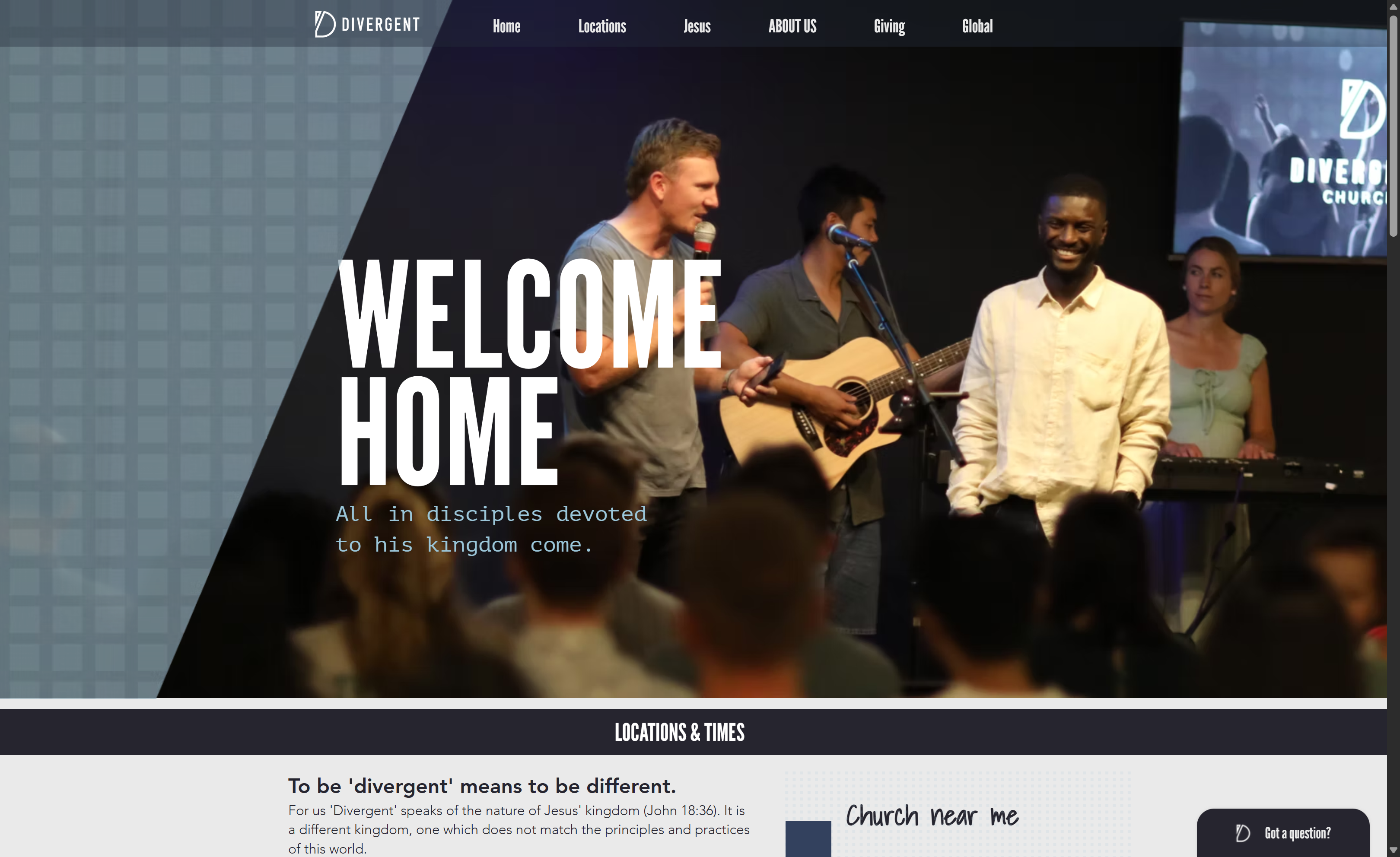
If you are ready to take the next step, whether that is bringing a friend along for the first time or finding your own footing in a genuine Christian community, Divergent Church is a place shaped for exactly that. The Life Communities are a warm, relational entry point for newcomers and a great space to invite someone into before they commit to a Sunday service. For those ready to go deeper, the Discipleship Hub offers real support for spiritual growth beyond initial visits. And if you have attended and want to know what comes next, exploring next steps is the clearest place to begin. Reach out, come as you are, and bring someone with you.
FAQ
What is the most effective way to invite someone to church?
Trust-based relational invitations have the highest acceptance rates. Inviting someone you genuinely know and offering to meet beforehand removes fear and dramatically increases the chance they will attend.
How do I invite someone to church without making it awkward?
Keep it honest and specific rather than rehearsed. A simple, personal explanation of why the community matters to you, followed by a clear invitation and space to respond, feels far more natural than a formulaic pitch.
What should I say in a follow-up after someone visits?
Effective follow-ups are personal, brief, and mention something specific from their visit. Offer one clear next step, such as a newcomers’ lunch or a community group, rather than a list of options.
How do I handle it if someone says no to my church invitation?
Accept it graciously and keep the relationship warm. A declined invitation is rarely a closed door. Continuing to invest in the friendship, without pressure, often creates a natural opening in the future.
Should I invite someone to Sunday service or a smaller event first?
For people with no church background, a smaller gathering or community event can feel like a more comfortable first step than a full Sunday service. Read the person and choose the environment that best matches their comfort level.
Recommended
Comments