
Canberra Churches: Youth Mental Health Help Using S.A.L.T. & ACT Rules


Yes. A church can offer faith‑centred pastoral support to a young person, including listening, regular relational care, youth groups and help connecting with professionals. What pastoral support offers sits alongside clinical treatment rather than replacing it: prayer, mentoring and community carry real weight, but a diagnosis or a crisis belongs with a qualified clinician.
TL;DR:
Most church-based pastoral support focuses on relational care like youth groups and one-on-one conversations but cannot replace professional mental health treatment.
Churches follow strict safety standards, including working with children checks and clear boundaries, to ensure responsible care for young people.
Trusted adults should use frameworks like S.A.L.T. to notice signs of distress and know when urgent professional help is necessary.
Pastoral care complements clinical treatment but must refer to professionals when diagnosis, crisis intervention, or ongoing therapy is needed.
Asking clear questions about confidentiality, leader training, and referral pathways helps families find a trusted church that prioritizes safety and appropriate support.
Table of Contents
What church-based pastoral care for young people actually looks like
Pastoral care is relational before it is programmatic. It shows up in a youth group where a teenager is known by name, not just counted in a roll. It shows up in a mentor who checks in three weeks after a hard conversation, not only in the moment of crisis.
In practice, this takes a few recognisable shapes:
Youth groups and peer community that give young people a sense of belonging and a buffer against isolation.
One-to-one pastoral conversations built around scripture, prayer and honest listening, often alongside a trusted mentor.
Ongoing check-ins and small groups that hold a young person over months, not just a single meeting.
Referral when needed, because a pastoral leader’s role is to notice, care and connect, not to treat.
Mary Andrews College describes this as a gospel-informed pastoral approach that complements professional care rather than substituting for it. Churches offer something clinics cannot: a long-term, unpaid, relational presence. What we cannot offer is a diagnosis, a treatment plan or crisis intervention, and any leader worth trusting will say so plainly.
How to access church support in Canberra
Finding the right fit takes a little legwork, but the path is straightforward for most churches.
Search church websites and event listings for youth group times, young adult gatherings or university chapel contacts, and check whether the page names a youth or pastoral care leader.
Make first contact simply: an email or a short message asking “Do you have a youth group, and who would I speak with about pastoral support?” works better than over-explaining upfront.
Ask direct questions early: what’s confidential, who is present at meetings, and whether the leader is offering pastoral conversation or something more clinical.
Share relevant mental-health details on any registration form, because this is what lets leaders plan appropriately and respond safely rather than being caught off guard.
A church that welcomes these questions, rather than deflecting them, is usually one worth trusting with your family’s wellbeing.
Safety, boundaries and legal expectations for youth ministry in Australia
Responsible churches do not run youth ministry on goodwill alone. The National Principles for Child Safe Organisations set the Australian benchmark, led by the National Children’s Commissioner to give every sector, churches included, a consistent approach to preventing harm.
In the ACT specifically, legislation defining regulated activities sets out which youth-facing roles require screening and who counts as a vulnerable person, which is why working with children checks and leader training aren’t optional extras.
A church doing this well will typically show:
Working with children checks for every leader in youth ministry.
Clear role boundaries, so pastoral conversations never pose as clinical treatment.
Supervision and ongoing training for those caring for young people.
Documented referral pathways to mental health professionals.
The National Principles for Child Safe Organisations outline 10 principles to prevent harm, forming the backbone of child safety expectations across Australian faith communities.
A simple conversation framework for trusted adults
When a young person seems to be struggling, the hardest part is often knowing where to start. Anglicare’s S.A.L.T. model, part of its Take Love project, gives trusted adults a simple structure.
See: notice changes in mood, sleep, friendships or energy.
Ask: “I’ve noticed you’ve seemed quiet lately, how are you really going?”
Listen: let them speak without rushing to fix or correct.
Tell: let them know you’ll help them find support, and follow through.
Some signs call for immediate professional help rather than a pastoral conversation alone: talk of self-harm, sudden withdrawal from everything they love, or statements suggesting they no longer see a future. These warrant an urgent referral to a GP, headspace or emergency services, not a wait-and-see approach.
Pro Tip: Write a short, dated note after any serious conversation and follow up within a week, this protects the young person and keeps the pastoral team accountable.
A word from Divergent Church on caring for young people

We exist to form disciples of Jesus in the rhythms of this city, and that includes walking alongside young people through seasons that are genuinely hard. Youth gatherings, mentoring relationships and listening spaces are built on the conviction that community and faith carry real weight in a young person’s life.
We also hold a clear line: when a young person needs clinical care, we help them find it rather than pretending we can provide it ourselves. Pastoral presence and professional treatment work best together, not as competitors.
— Josh
Connect with Divergent Church for youth pastoral support
If you’re looking for a church where a young person can be known, heard and supported, some local groups, pastoral check-ins and community gatherings are built for exactly this kind of relational care, and conversations often follow safeguarding and referral practices.
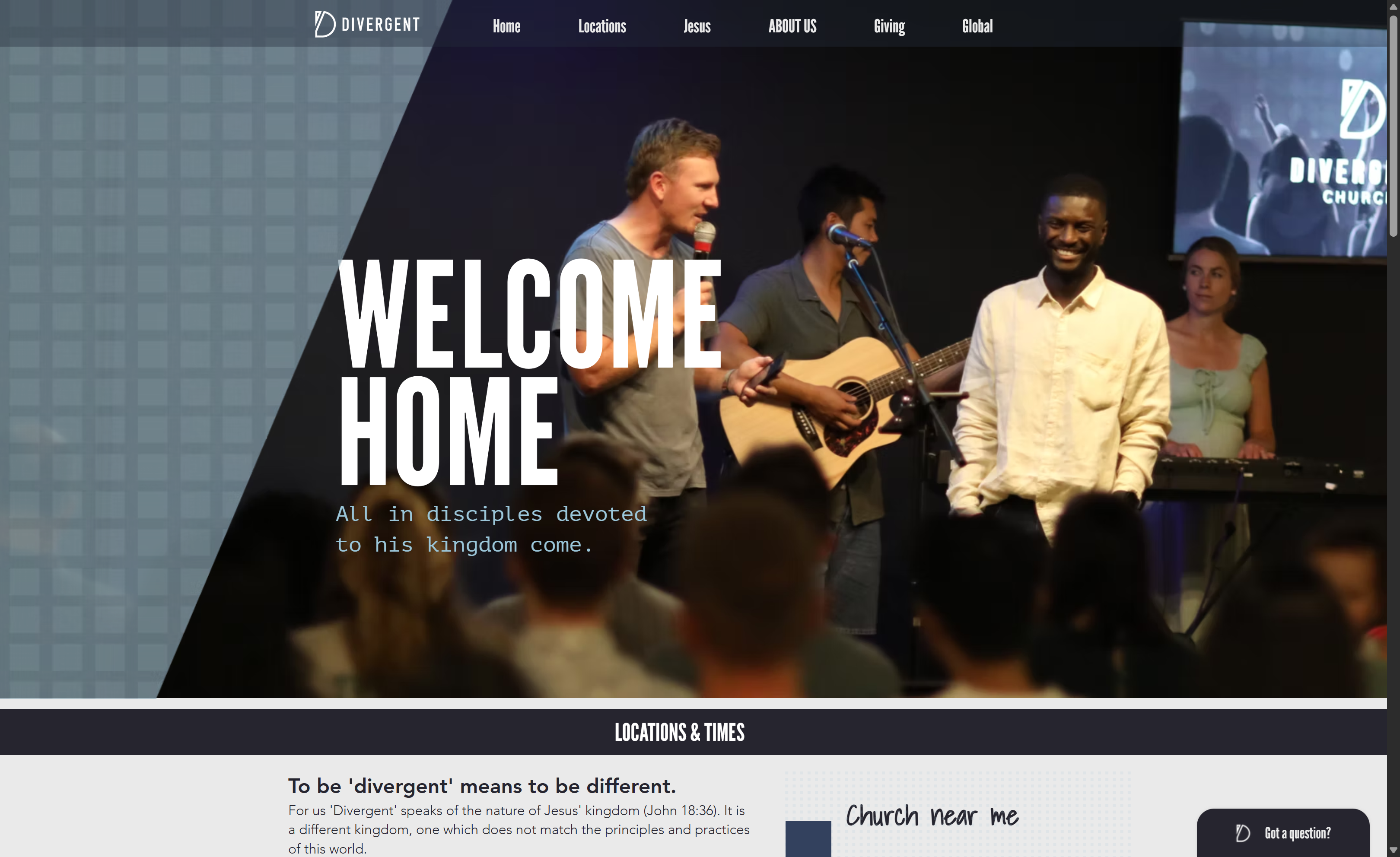
Book a space for a pastoral meeting or small group through our Auditorium, Seminar Room or Board Room.
Reach out directly to ask about youth group times or arrange a first conversation.
Expect honesty about limits: we’ll walk with your family and refer on to a GP or counsellor whenever that’s the wiser next step.
You can also read more about what makes a good young adults church in Canberra before reaching out.
FAQ
Can a church replace counselling or clinical mental health treatment?
No. Pastoral care offers listening, prayer, mentoring and community, but Mary Andrews College frames this as complementary to professional care, not a substitute for it. A responsible church will refer a young person to a GP, psychologist or service like headspace when clinical support is needed.
What should I ask a Canberra church before joining a youth group?
Ask who leads the group, whether leaders hold working with children checks, and how confidentiality works in pastoral conversations. A church following Safe Ministry guidance will have ready answers and documented policies.
Why do churches ask for mental health details on registration forms?
Sharing relevant details helps leaders plan safe support and respond appropriately if a young person needs extra care during an event or camp. Safe Ministry resources recommend collecting this information alongside standard permission and emergency consent forms.
What training do pastoral leaders have for youth mental health conversations?
Codes like Integrity in Our Common Mission require leaders to stay within pastoral boundaries, avoid clinical assessment tools without accreditation, and access supervision. Many leaders also train in conversation frameworks such as S.A.L.T. through programs like Anglicare’s Take Love project.
What if a young person needs urgent help outside church hours?
Signs like talk of self-harm or sudden hopelessness call for immediate contact with a GP, allied health support services or emergency services, not a wait for the next youth group. A pastoral leader can walk alongside the family through this, but urgent situations need a qualified professional first.
Sources
Recommended
Comments