
Faith practices: real examples from across the world's traditions
- Josh

- 13 minutes ago
- 10 min read
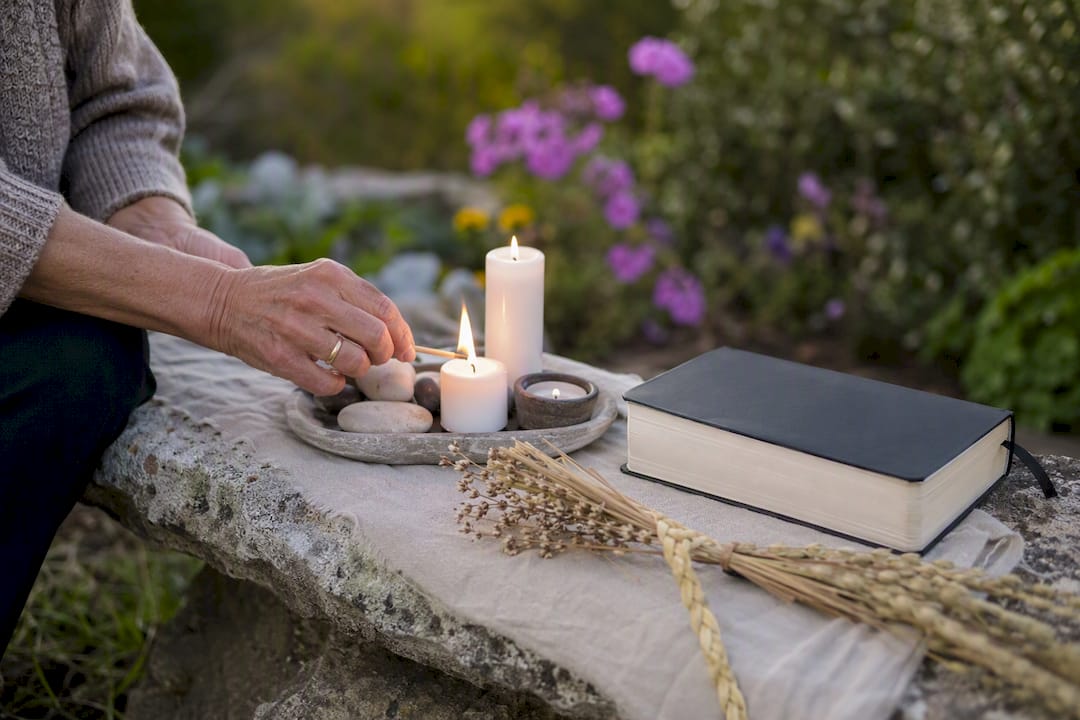
A faith practice is a repeated action or habit that shapes how a person connects with the sacred, with others, and with their own soul. It sounds simple because it is. Here are common examples across traditions:
Prayer — spoken, silent, or written
Meditation or contemplative silence
Fasting from food, media, or comfort
Service to the vulnerable or the neighbour
Hospitality — welcoming a stranger to your table
Reading and reflecting on scripture
Worship through music and singing
Sabbath or intentional rest
Some of these you already do without naming them. Others might feel foreign, even sacred in a way that seems out of reach. This article walks through how these practices appear in Christianity, Islam, Judaism, Hinduism, Buddhism, indigenous traditions, and secular spirituality, then gives you a handful you can genuinely try this week.
Key Takeaways
Faith practices work when they’re small, repeated, and shared with others rather than attempted alone in one intense burst.
Point | Details |
Practices span three types | Doing (service, pilgrimage), not-doing (fasting, silence), and being (gratitude, wonder). |
Traditions differ widely | Christianity, Islam, Judaism, Hinduism, and Buddhism each structure prayer, fasting, and ritual differently. |
Start small and specific | Attach a two to five minute practice to an existing daily habit rather than overhauling your routine. |
Respect matters when borrowing | Learn practices from other traditions through actual practitioners, not secondhand summaries. |
Divergentchurch offers local support | Its Discipleship Hub and Life Communities help Canberra and Queanbeyan readers build these habits alongside others. |
Table of Contents
What are examples of faith practices, and why do they matter?
Every religion asks its people to do something, not just believe something. Religion functions as a unified system of beliefs, values and practices/18%3A_Spirituality/18.03%3A_Common_Religions_and_Spiritual_Practices) that binds a moral community together, and the practices are what make that binding visible. Without them, faith stays theoretical. Attend a service, break bread, sit in silence, and something shifts from idea to lived experience.
It helps to think of faith practices in three broad categories:
Doing — active practices like service, giving, or pilgrimage
Not-doing — restraint practices like fasting, silence, or sabbath rest
Being — postures of attention like gratitude, wonder, or contemplation
The Faith Practices Project frames Christian formation around actions such as service, remembering, wonder, prayer, celebrating, listening, and engaging scripture, and that same three-part shape shows up well beyond Christianity. A Buddhist retreat is “not-doing” (stilling the mind). A Jewish Sabbath meal is “being” (presence with family). A Muslim’s almsgiving is “doing” (tangible generosity).
Practices vary enormously by tradition and country. Pew Research’s global survey on spiritual and religious practices shows prayer and attendance are widespread, but things like lighting incense or specific fasting rituals differ sharply depending on where you are and which tradition you belong to. That variation is the point. No single practice is universal, but the impulse behind them, the reaching for something beyond ourselves, shows up everywhere.
Examples of faith practices across major traditions
Reading a list of practices from a religion you didn’t grow up in can feel like reading a menu in another language. Below, each tradition’s core practices are named plainly, with enough context to understand what they’re for.
Christianity
Christian practice centres on relationship with Jesus, expressed through both private discipline and shared ritual.
Sacraments — baptism and communion mark entry into faith and ongoing remembrance of Christ’s sacrifice
Lectio divina — a slow, prayerful reading of scripture, often just a few verses, read aloud multiple times
Prayer rhythms — fixed times of prayer throughout the day, sometimes tied to specific hours
Hospitality — welcoming strangers and outsiders as an act of worship, not just kindness
Fasting — abstaining from food or comfort, often during seasons like Lent
Service — caring for the poor, sick, or marginalised as an extension of belief
Worship music — corporate singing that shapes belief through repetition and shared voice
FaithLead’s overview of spiritual practices distinguishes practices of doing (service, hospitality) from practices of not-doing (silence, fasting), which mirrors the taxonomy above closely. Christianity has never treated these as optional extras. They’re how belief becomes visible.
Islam
Islamic practice is structured around five pillars, and daily rhythm matters more here than almost any other tradition.
Salah — five daily prayers at prescribed times, facing Mecca
Sawm — fasting from dawn to dusk during the month of Ramadan
Zakat — mandatory almsgiving, typically a fixed percentage of savings, given to those in need
Qur’an recitation — memorising and reciting verses, often in Arabic regardless of native tongue
Hajj — pilgrimage to Mecca, required once in a lifetime for those who are able
The five daily prayers aren’t a loose suggestion. They’re timed to specific points in the sun’s movement, dawn, midday, afternoon, sunset, and night, which means Islamic practice literally structures a follower’s entire day around remembrance.
Judaism
Judaism weaves practice into weekly and yearly cycles more than daily ones, though daily prayer still matters.
Sabbath (Shabbat) — a full day of rest from sundown Friday to sundown Saturday, marked by candle lighting and family meals
Prayer — three formal prayer times daily, often communal in a synagogue
Kosher observance — dietary rules governing what can be eaten and how it’s prepared
Festival rituals — observances like Passover and Yom Kippur that re-enact or commemorate key moments in Jewish history
The Sabbath is arguably Judaism’s most distinctive gift to the wider world: a weekly, non-negotiable stop. No work, no commerce, just rest and presence.
Hinduism
Hindu practice is deeply personal and household-based, alongside larger communal festivals.
Puja — ritual worship at a home shrine or temple, often involving offerings of flowers, food, or incense
Mantra repetition — chanting sacred syllables or phrases, sometimes using prayer beads
Yoga disciplines — physical and meditative practices originally designed for spiritual discipline, not fitness
Festival rites — celebrations like Diwali that mark the triumph of light over darkness
Pilgrimage — journeys to sacred rivers or temples, such as the Ganges
Yoga’s spiritual roots often get lost in translation once it reaches a Western gym. Its original purpose was union with the divine, not flexibility.
Buddhism
Buddhist practice orients almost entirely around training the mind.
Meditation — seated stillness practices, ranging from breath awareness to loving-kindness meditation
Chanting — repeating sutras or mantras, often in groups
Retreats — extended periods of silence and practice, sometimes lasting days or weeks
Monastic support — lay Buddhists offering food and resources to monks in exchange for teaching
Mindfulness — paying full attention to the present moment, now widely borrowed outside religious contexts
Indigenous and folk traditions
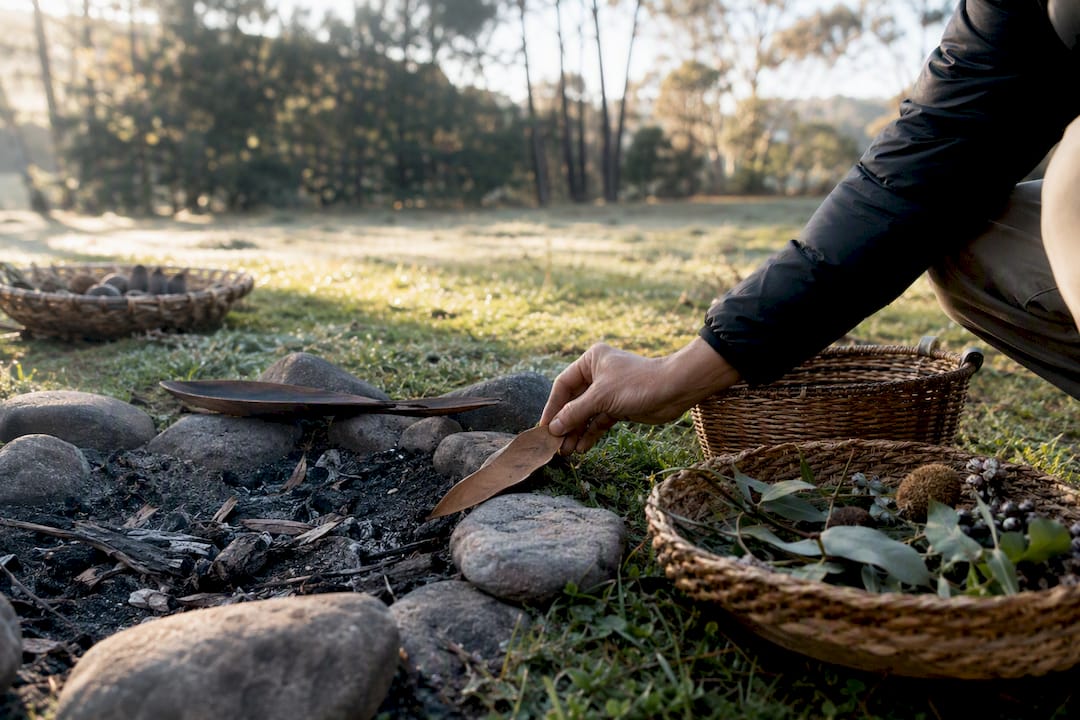
Indigenous spiritual practices vary enormously by culture and place, but common threads include land-based ceremony (marking seasons or honouring specific sites), seasonal observances tied to harvest or solstice cycles, and remembrance of ancestors through story, ritual, or shared meals. These practices are often inseparable from a specific culture and country. They deserve to be learned about respectfully rather than borrowed casually.
Secular and non-religious spiritual practices
You don’t need a religious framework to build a meaningful practice. Mindfulness meditation, gratitude journalling, time in nature, and contemplative arts like slow drawing or music all function the same way, repeated actions that shape attention and presence, minus a specific deity or doctrine.

Everyday faith practice examples you can try this week
Most people overestimate how much time or training a faith practice requires. Here’s how to start small, today.
Ten minutes of breath prayer. Sit somewhere quiet. Breathe in for four counts while silently praying a short phrase (“be still”), breathe out for four counts with another (“and know”). Repeat for ten minutes.
Five minutes of mindfulness. Stand or sit anywhere, even at your desk. Close your eyes and simply notice five things you can hear, then four you can feel, then three you can smell.
A 20-minute prayer walk. Walk a familiar route and notice what you pass, a tired-looking neighbour, a tree in bloom, roadworks. Pray briefly for each thing you notice.
A simple fast. Skip one meal, or take a full day off your phone. If you have any medical condition affecting blood sugar or you’re pregnant, check with a doctor before fasting, and stop if you feel unwell.
One act of hospitality. Invite a neighbour for coffee, or simply offer it to someone doing trade work near your home. Hospitality doesn’t need a dinner party to count as practice.
Pro Tip: If a practice originates from a tradition that isn’t your own, learn from an actual practitioner or leader of that faith rather than a secondhand summary. Context and respect matter as much as the action itself.
Adaptation matters more than intensity here. A prayer walk during your commute can carry as much weight as a formal retreat, provided it’s honest and repeated.

How to start a new faith practice that actually sticks
Pick one practice, not five. The person who tries to pray, fast, journal, and volunteer in the same week usually abandons all four by Friday.
Choose a practice that matches your actual schedule and motive, not an idealised version of your life
Attach it to an existing habit, such as praying right after your morning coffee or reading scripture before bed
Keep the first attempts short, two to five minutes is enough to build consistency before you scale up
Tell a friend or small group what you’re trying; accountability roughly doubles the odds a new habit survives its first month
Two mistakes derail most beginners. The first is over-ambition, trying to adopt a monk’s entire daily rhythm in week one. The second is treating fasting or intense rituals casually, without checking they’re medically safe for your body first.
Pro Tip: Durability beats intensity. A two-minute practice you repeat for a year will shape you more than a two-hour practice you do once and abandon.
If a practice starts to matter to you, that’s usually the moment to find people doing it alongside you. Divergentchurch’s role of prayer in church explains why prayer rhythms tend to hold better in community than in isolation, and joining a Life Community is often the difference between a practice that fades and one that lasts.
Why trust this guide to faith practices
This article comes from Josh at Divergentchurch, a Canberra-based Christian community built specifically around forming disciples of Jesus through everyday rhythms rather than Sunday attendance alone. Divergentchurch exists inside the actual texture of a city, its universities, workplaces, and transient population, which means the practices recommended here are tested against real, busy lives, not theoretical ones.
Divergentchurch’s own resource, Faith practices for daily life: 10 habits to start today, extends everything in this article with ten specific, low-barrier habits worth trying. Related reading worth exploring:
The Discipleship Hub offers a structured next step for readers wanting to build these habits alongside others rather than alone.
What the research on faith practices gets wrong
Most guides to faith practices treat them like a checklist: do these seven things, feel more spiritual. That framing misses something the research actually supports. Pew’s global data shows enormous variation in which practices matter and how often people do them, which tells us practices are meaningful because of consistent repetition within a community, not because of some universal formula.
The conventional advice oversells intensity. Retreats, all-night vigils, and dramatic fasts get the attention, but the practical evidence points the other way: short, repeatable actions tied to an existing daily cue outperform ambitious ones that collapse after a fortnight. A two-minute prayer after your morning coffee will outlast a two-hour prayer you attempt once a month.
If you’re starting today, prioritise one thing: pick a single small practice, attach it to something you already do, and find at least one other person doing it with you. Everything else, which tradition, which technique, which format, matters far less than whether the habit survives its first difficult week.
Find a faith community to practise alongside in Canberra
Reading about faith practices only gets you so far. What actually sustains prayer, fasting, or scripture engagement long-term is doing it inside a community that notices when you show up and when you don’t. Divergentchurch offers exactly that in Canberra and Queanbeyan: not a Sunday-only gathering, but a network of Life Communities and discipleship groups where these practices become shared rhythms rather than solo experiments.
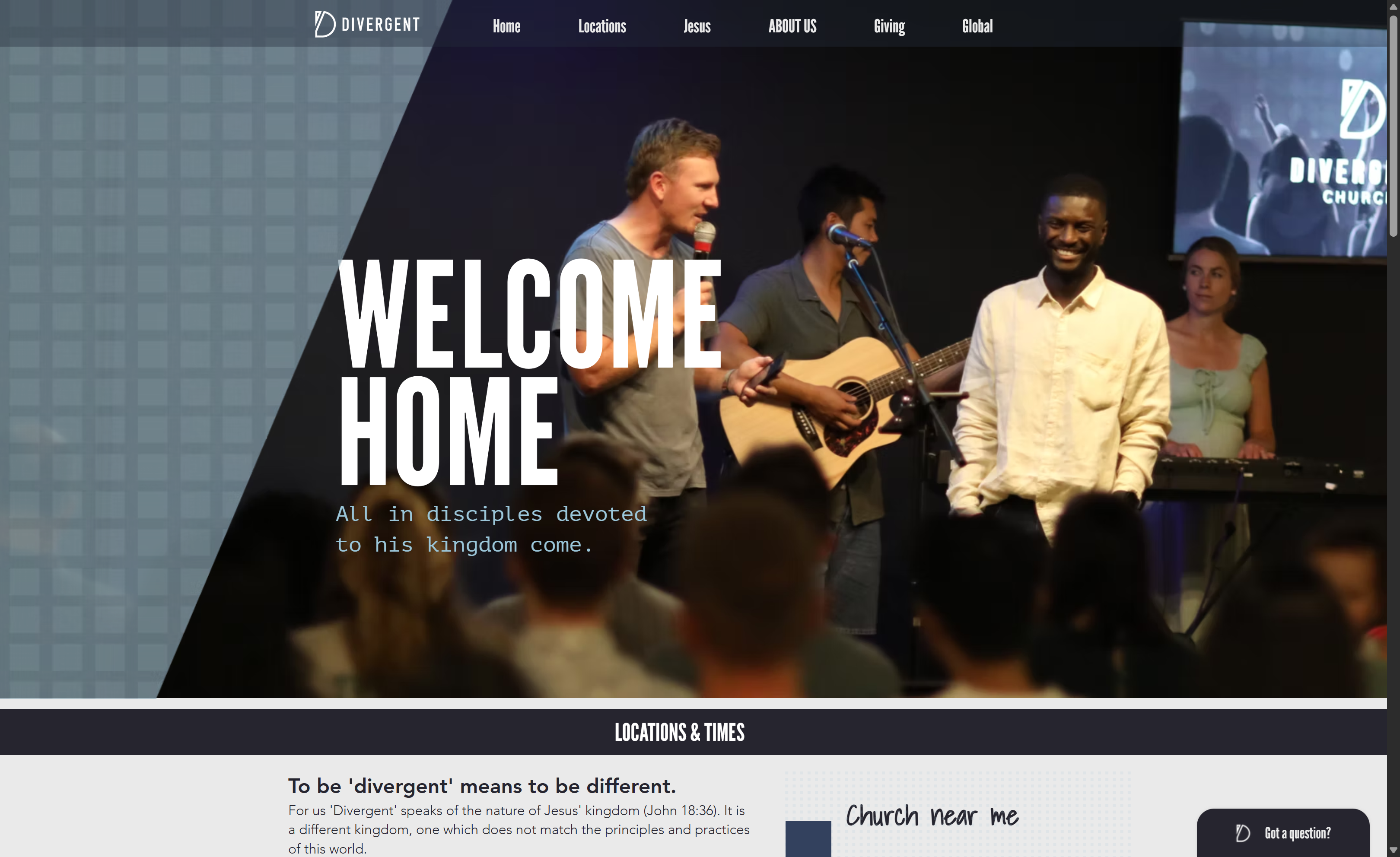
Whether you’re completely new to faith or you’ve drifted from a practice you used to keep, the Discipleship Hub gives you a structured way to learn alongside others who are working through the same habits. If community and accountability sound like what’s missing from your attempts so far, visit Next Steps to find a group meeting near you this week.
Frequently asked questions about faith practices
What’s the difference between a faith practice and a ritual? A ritual is usually a fixed, formal sequence (a baptism ceremony, a Hajj pilgrimage), while a faith practice can be either that formal ritual or a simple repeated habit, like a daily prayer walk. All rituals are practices, but not all practices are rituals.
Can I try a faith practice from a religion I don’t belong to? You can, respectfully. Learn from an actual practitioner or leader of that tradition rather than a summary, and understand the practice’s context before adopting it, especially anything tied to sacred symbols or ceremony.
How long does it take for a faith practice to become a habit? There’s no fixed number, but consistency over the first month matters more than any single session’s length. Short, daily repetition beats occasional intensity.
Do I need to belong to a church or community to practise faith? No, but most people find practices last longer with some form of community or accountability, whether that’s a small group, a friend, or a formal congregation like a Life Community.
What if fasting doesn’t feel safe for me? Skip it, or substitute a non-food fast like limiting screen time. Anyone with diabetes, an eating disorder history, or who is pregnant should check with a doctor before any food-based fast.
Sources
Recommended
Comments