
Tips for finding a church that fits your faith


Choosing a church is defined by one core criterion: biblical soundness paired with genuine community. Sermon quality and a warm welcome are the two most important factors people weigh when selecting a church. That finding matters because it confirms what Scripture already teaches: the Church is not a performance to consume but a body to belong to. Whether you are new to faith, relocating to a city like Canberra, or simply searching for a congregation that nurtures discipleship, these tips for finding a church will help you move from searching to belonging.
1. What are the key criteria to prioritise when searching for a church?
Biblical preaching is the non-negotiable starting point. A church built on expositional teaching, where the pastor works through Scripture passage by passage, produces disciples rather than spectators. Ministry experts warn against prioritising style, production quality, or entertainment over gospel clarity and biblical authority. That warning is worth taking seriously, because a church that satisfies your preferences but does not challenge you to grow will eventually leave you spiritually stagnant.
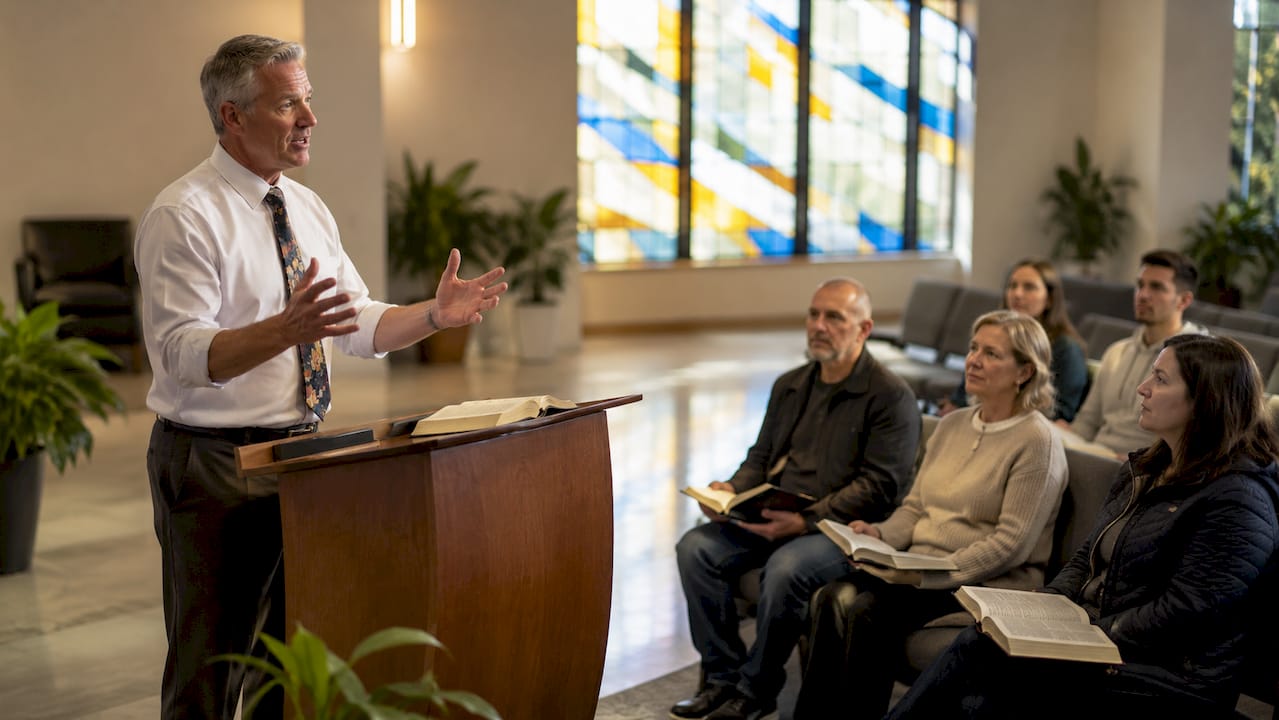
Beyond preaching, look for a community that practises discipleship in everyday life. A healthy church community demonstrates love through accountability, service, and genuine relationships, not just polished Sunday programmes. Ask yourself whether the people you meet seem shaped by Scripture or simply shaped by habit.
Key criteria to evaluate:
Biblical preaching: Expositional teaching with a clear gospel message
Welcoming culture: Genuine warmth extended to newcomers, not just greeters at the door
Discipleship pathways: Small groups, mentoring, or formation programmes that go beyond Sunday
Leadership accessibility: Pastors and elders who are relationally present, not just platform figures
Proximity: A church within reasonable distance of your home supports consistent attendance
Pro Tip: Write down your three non-negotiables before you visit a single church. Knowing what you are looking for stops you from being swayed by atmosphere alone.
2. How can you effectively research churches before visiting?
Start with digital directories to build a shortlist. Shepherd’s Stream lists over 230,000 churches with filtering tools for denomination, size, and language, making it one of the most practical starting points for any church search. That breadth means you can narrow options geographically before committing to a visit.
Once you have a shortlist, go deeper on each church’s website. Look for a clear statement of beliefs, leadership profiles, and access to past sermons. Sermon archives reveal far more about a church’s theological convictions than any marketing copy on a homepage.
Ask trusted friends, colleagues, or faith leaders for personal recommendations. Word of mouth from someone who knows your values and personality carries more weight than anonymous online reviews. Reviews can surface patterns, both positive and negative, but they reflect individual experiences rather than the full picture.
Check for denominational oversight and accountability structures
Listen to two or three recent sermons before visiting
Look for transparency around finances and governance
Note whether the church’s stated beliefs align with your own convictions
Pro Tip: Search the church’s name alongside the word “sermons” on YouTube or their website. Thirty minutes of listening tells you more than an hour of reading their About page.
3. What should you do during your first church visit to assess fit?
Arriving 15 minutes early and staying after the service are two of the most practical tips for visiting churches. Arriving early lets you observe the environment without the pressure of finding a seat mid-flow. Staying after gives you the chance to introduce yourself and experience how the congregation actually relates to one another.
During the service itself, pay close attention to the sermon. Does the preacher handle Scripture carefully, or does the message feel more like a motivational talk with Bible verses attached? Worship style matters less than whether the congregation is genuinely engaged or simply performing.
Collect any printed materials at the entrance, including welcome packs or programme sheets
Observe how staff and members interact with unfamiliar faces
Listen for whether the gospel is clearly presented in the sermon
Note whether small groups or community events are mentioned and promoted
Introduce yourself to at least one person after the service
Stay long enough to have a brief, genuine conversation rather than a transactional handshake
Pro Tip: Bring a notebook and jot down one or two observations immediately after leaving. First impressions fade quickly, and your notes become useful when comparing multiple churches.
4. How and why to give a new church time to become your spiritual home
One visit is never enough. Repeated attendance, active involvement, and prayerful discernment are the conditions under which a church’s true culture becomes visible. Commit to attending at least four to six consecutive Sundays before drawing conclusions.
Church websites often present an idealised image of community life. The authentic relational culture of a congregation reveals itself in small groups, volunteer rosters, and mid-week gatherings, not on a homepage. Joining a small group or serving in a practical role accelerates your understanding of whether a church truly lives what it preaches.
Patience is not passive. Prayerful discernment means actively asking God for clarity while you engage, not waiting on the sidelines for certainty before committing. Sanctification and genuine belonging both require time and active participation.
Attend multiple services across different weeks to see consistency
Join a small group or connect with a Life Community to experience church beyond Sunday
Volunteer in a practical role to observe leadership culture from the inside
Reflect prayerfully after each visit on whether you sense spiritual growth and genuine welcome
5. How does church size shape your experience?
Church size produces real trade-offs, and understanding them helps you choose wisely. Large churches often deliver high-quality production and varied ministries but can feel impersonal, particularly for newcomers who do not know how to find their way into community. Small churches offer closer pastoral access and relational intimacy but may have fewer programmes or resources.
Neither size is inherently superior. The right fit depends on your personality, your family’s needs, and how you grow spiritually. Some people thrive in the anonymity of a large congregation before gradually finding their tribe. Others need the immediate relational warmth of a smaller community to stay engaged.
Proximity to home significantly increases the likelihood of regular attendance and mid-week involvement. A church that is 40 minutes away may feel manageable on Sunday mornings but becomes a barrier to spontaneous connection throughout the week.
Factor | Large church | Small church |
Pastoral access | Limited; structured pathways needed | Direct and relational |
Ministry variety | High; multiple programmes available | Focused; fewer but often deeper |
Community feel | Can feel anonymous without small groups | Naturally relational |
Production quality | Often high | Variable |
Proximity impact | Less critical if programmes draw you in | More critical for regular engagement |
Key takeaways
Finding a church requires prioritising biblical teaching and genuine community over style, convenience, or production quality.
Point | Details |
Prioritise biblical preaching | Expositional teaching and gospel clarity matter more than worship style or production. |
Research before you visit | Use directories like Shepherd’s Stream and listen to sermon archives to shortlist options. |
Visit with intention | Arrive early, stay after the service, and observe how the congregation relates to newcomers. |
Give it time | Attend multiple services and join a small group before deciding a church is or is not right for you. |
Match size to your needs | Weigh relational intimacy against ministry variety, and factor in proximity for consistent engagement. |
What I have learned about finding a church that actually changes you
Finding a church is not a consumer decision. I spent years treating it like one, and I wasted a lot of time as a result.
The honest truth is that most of us approach a church search the way we approach choosing a restaurant. We want the right atmosphere, the right vibe, and ideally, a short queue. But a church is not there to serve your preferences. It is there to form you into a disciple of Jesus. That shift in mindset changes everything about how you evaluate a congregation.
What I have found is that the churches that changed me most were not the ones with the best production or the most polished sermons. They were the ones where someone knew my name by the third week, where I was invited into a small group before I felt ready, and where the preaching made me uncomfortable in the best possible way. Discomfort in the presence of Scripture is often a sign that something real is happening.
The other thing I would say is this: a perfect church does not exist. You will find theological quirks, relational friction, and leadership decisions you disagree with in every congregation you visit. The question is not whether a church is perfect but whether it is faithfully pursuing Jesus and whether you can grow within it. Faithfulness and discipleship matter far more than finding a community that ticks every box on your list.
Give yourself permission to be patient. Pray specifically. And when you find a community that preaches the Word, welcomes you genuinely, and calls you toward growth, commit to it fully. Seeds planted in good soil take time to bear fruit, but they do bear fruit.
— Josh
Divergentchurch: a community worth belonging to in Canberra
If you are searching for a church in Canberra that takes discipleship seriously, Divergentchurch exists for exactly that purpose. We are not simply a Sunday gathering. We are a community shaped by Scripture, centred on Jesus, and expressed through everyday life, relationships, and mission across the city.
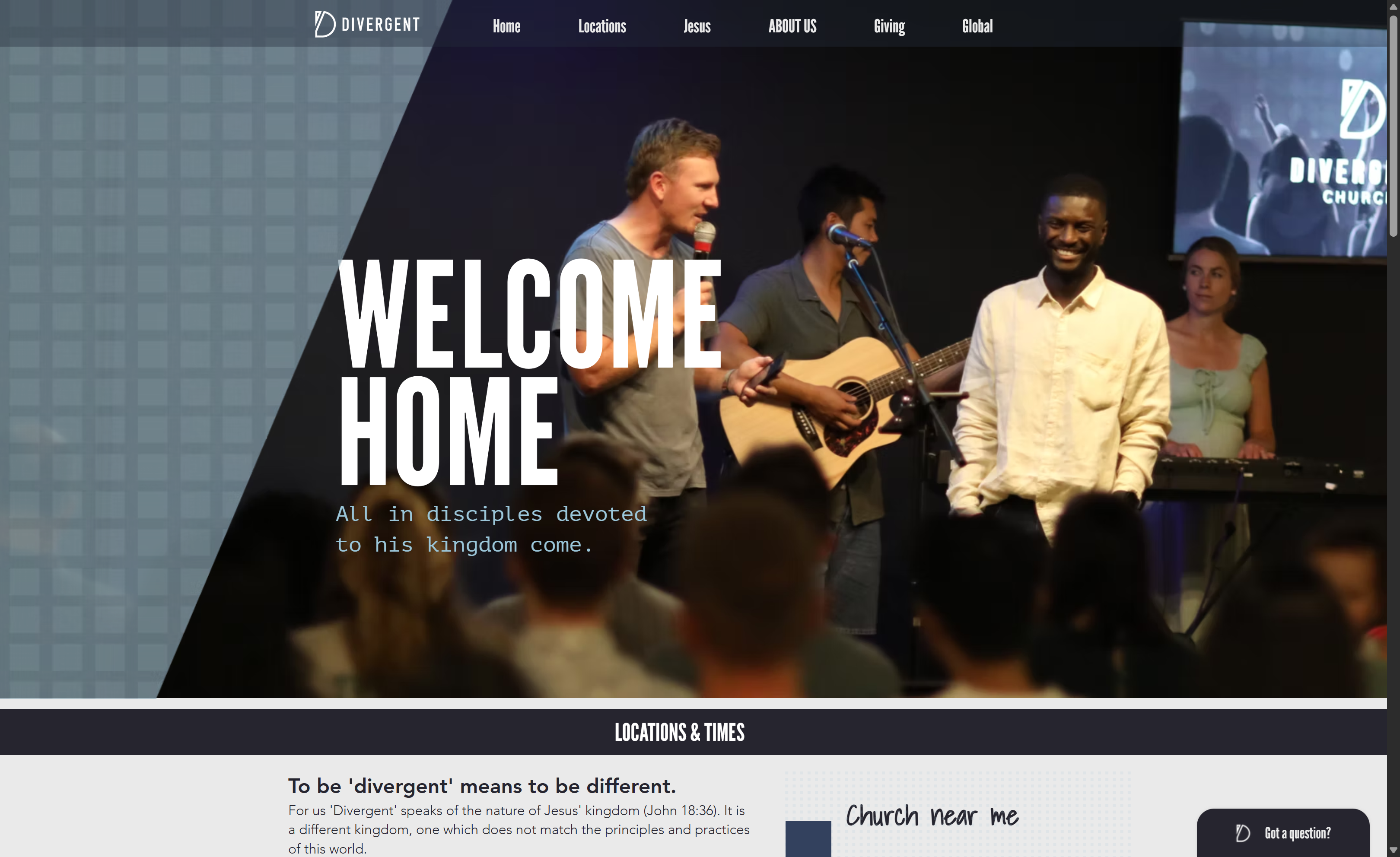
The Discipleship Hub is the best place to start. It connects you with formation pathways, including Follow Jesus for those new to faith and Lead Like Jesus for those ready to grow in servant leadership. If you want to experience genuine community beyond Sunday, our Life Communities are small groups meeting across Canberra’s neighbourhoods. Your next steps are waiting whenever you are ready.
FAQ
What are the most important factors when choosing a church?
Sermon quality and a warm welcome are the two most important factors in church selection. Beyond those, look for expositional Bible teaching, clear discipleship pathways, and a community that practises genuine relational accountability.
How many times should I visit before deciding on a church?
Attend at least four to six consecutive services before drawing conclusions. Joining a small group or volunteering during that period reveals the authentic culture of a congregation far more than Sunday attendance alone.
Does church size matter when finding a local church?
Church size produces real trade-offs between relational intimacy and ministry variety. Small churches offer closer pastoral access; large churches offer broader programmes. Choose based on your personality, family needs, and how you grow spiritually.
How do I research a church before my first visit?
Listen to two or three recent sermons from the church’s archive and review their statement of beliefs. Digital directories like Shepherd’s Stream allow you to filter by denomination, size, and location to build a shortlist before visiting.
What questions should I ask a church during or after my first visit?
Ask about small group opportunities, how the church supports spiritual growth beyond Sundays, and how leadership is structured and held accountable. These questions reveal whether a church prioritises discipleship or simply attendance.
Recommended
Comments